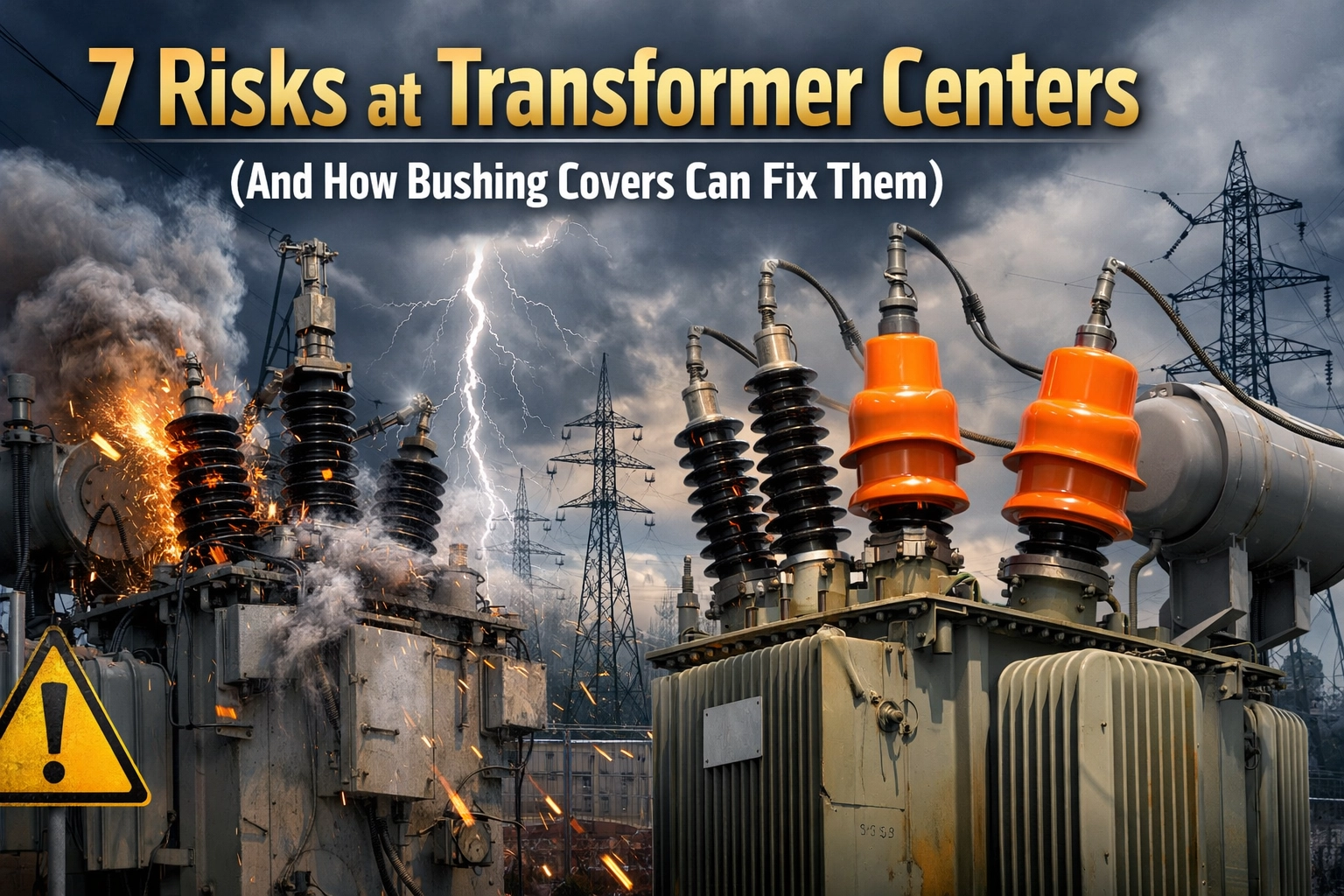
![[HERO] 7 Risks at Transformer Centers (And How Bushing Covers Can Fix Them)](https://cdn.mar4lism.com/mum-R-Zccsu.webp)
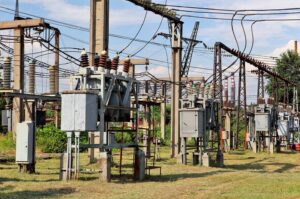
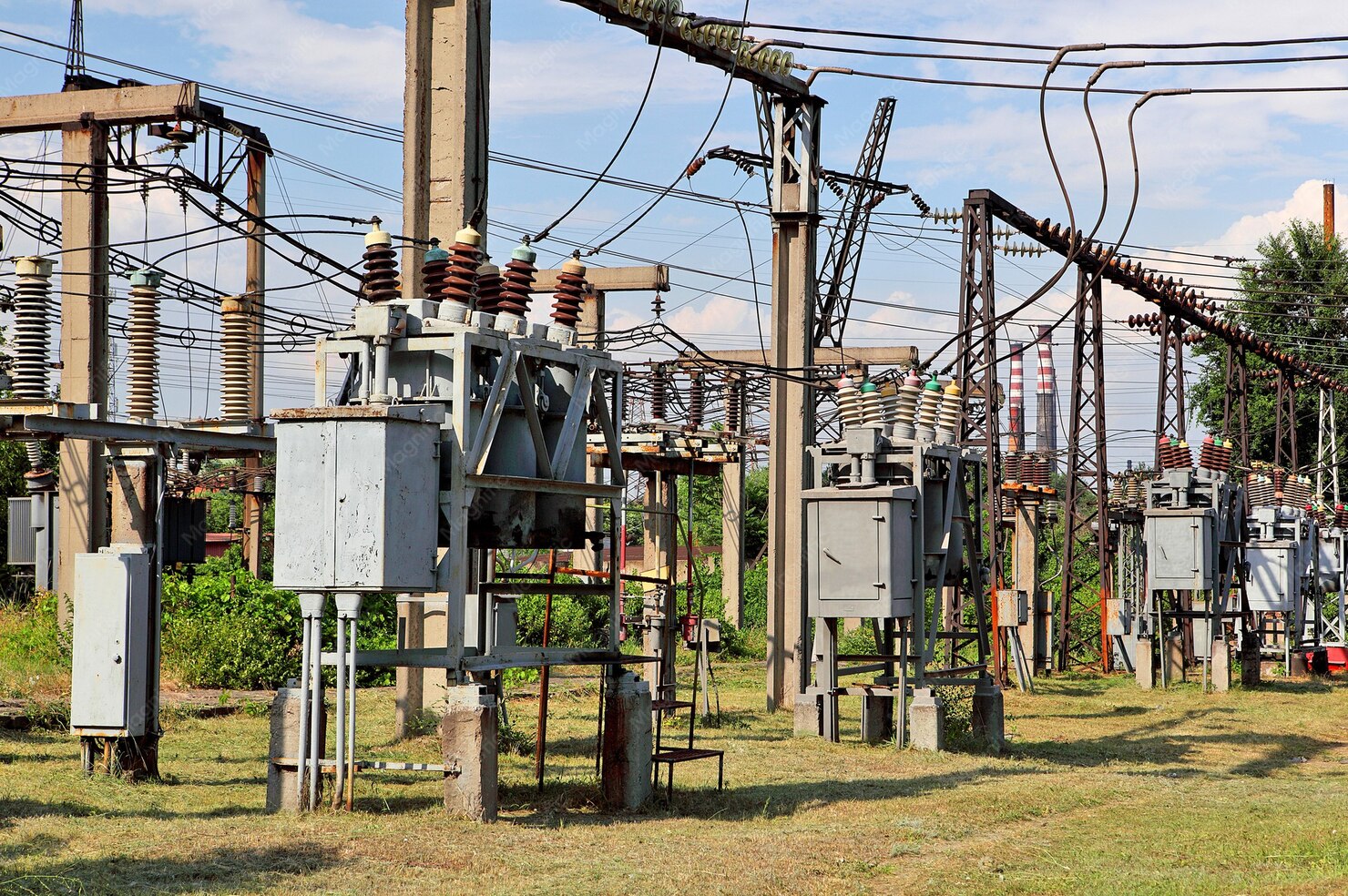
In the architecture of a modern power grid, the transformer center serves as the critical junction between high-voltage transmission and end-user consumption. However, these hubs remain one of the most physically vulnerable points in the entire distribution network. Despite advancements in smart grid monitoring and digital control, the "last mile" of hardware: specifically the exposed bushings of distribution transformers: is frequently left unprotected against external threats.
At RMC Switchgears Ltd., our three decades of experience in power distribution equipment have shown that a single exposed terminal can trigger a catastrophic failure chain. The financial implications are not merely limited to equipment replacement; they encompass revenue loss, regulatory penalties, and significant safety liabilities.
To fortify grid resilience, utilities must move beyond reactive maintenance and address the seven fundamental risks inherent in uncovered transformer centers.
01. Animal-Induced Short Circuits (Wildlife Hazards)
Wildlife interference remains a leading cause of unplanned outages globally. Birds, monkeys, snakes, and squirrels view transformer structures as convenient nesting grounds or transit paths. When an animal bridges the gap between an energized bushing and a grounded surface, the result is a phase-to-ground short circuit.
The Consequence Chain:
- Immediate Event: Instantaneous flashover and animal electrocution.
- System Impact: Blowing of High Rupturing Capacity (HRC) fuses or tripping of circuit breakers.
- Secondary Damage: Potential internal arcing within the transformer tank due to high-magnitude fault currents.
- Financial Loss: Cost of emergency crew deployment plus the "Value of Lost Load" (VoLL) for the duration of the outage.

02. Accidental Human Contact and Electrocution
Public safety is a primary concern for DISCOMs, especially in densely populated urban areas or rural markets where clearance levels may not always meet stringent standards due to unauthorized encroachments. Exposed energized bushings at reachable heights pose a lethal threat to maintenance personnel and the general public alike.
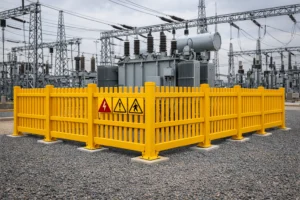
Unprotected terminals are "danger zones." An accidental slip during routine inspection or unauthorized tampering can lead to severe injury or fatality. For a utility, this results in intensive legal scrutiny, heavy compensation payouts, and irreparable damage to corporate reputation. Ensuring 100% insulation of live parts is no longer optional: it is a safety mandate.
03. Environmental Degradation (Corrosion and UV Damage)
Transformer centers are at the mercy of the elements 24/7. Continuous exposure to intense ultraviolet (UV) radiation and fluctuating temperatures causes material fatigue. Traditional insulation methods often fail under these conditions.
- UV Radiation: Causes standard plastics to become brittle, leading to cracks and eventual exposure of live parts.
- Oxidation and Corrosion: Moisture ingress at the bushing-to-conductor interface leads to oxidation. This increases contact resistance, which generates localized heat, further accelerating the degradation of the bushing seals.
04. Pollution and Dust Accumulation Leading to Flashovers
In industrial zones or coastal regions, the accumulation of conductive dust, salt spray, or chemical pollutants on the surface of a porcelain bushing creates a "leakage path." During periods of high humidity or light drizzle, these contaminants become semi-conductive.
This phenomenon, known as tracking, allows current to flow across the surface of the insulator. If left unchecked, it leads to a full-scale surface flashover. By encasing these terminals in specialized covers, utilities can prevent the settlement of pollutants on critical dielectric surfaces, maintaining the integrity of the insulation.

05. Escalating Maintenance Costs and Frequent Outages
Operating a distribution network without protective bushing covers is a high-cost strategy disguised as a saving. Every "nuisance trip" caused by a bird or a lightning-adjacent surge through an exposed terminal requires a truck roll.
The Hidden Costs of Unprotected Bushings:
- Labor: Overtime pay for emergency repair crews.
- Logistics: Fuel and vehicle maintenance for site visits.
- Inventory: Premature replacement of fuses, lightning arresters, and insulators.
- Opportunity Cost: Maintenance teams are bogged down by preventable repairs instead of focusing on grid modernization.
06. Technical Energy Losses and Fault-Related Wastage
Every fault event, even if it doesn't lead to a total transformer failure, contributes to technical losses. Arcing, localized heating due to poor connections, and leakage currents across polluted bushings contribute to the "Non-Technical Loss" profile of a utility.
While individual losses at a single transformer center may seem negligible, the cumulative effect across a network of 10,000+ transformers is staggering. Preventing these micro-inefficiencies through proper insulation directly improves the overall efficiency of the distribution system.
07. Equipment Damage During Storms and Heavy Rain
During monsoon seasons or severe storms, heavy rain and wind-blown debris (such as tree branches) significantly increase the probability of phase-to-phase faults. Water ingress into the gaps of poorly protected terminals can also lead to catastrophic dielectric failure.
Bushing covers act as a physical shield, redirecting water flow away from the energized connection points and preventing debris from creating a conductive bridge between phases.
The Solution: RMC’s FRP Transformer Bushing Covers
Addressing these seven risks requires a material solution that is as robust as the grid itself. At RMC Switchgears Ltd., we have engineered our FRP (Fiber Reinforced Polymer) Transformer Bushing Covers to serve as the definitive line of defense for transformer centers.
Why FRP is the Industry Gold Standard
| Feature | RMC FRP Bushing Covers | Traditional / No Cover |
|---|---|---|
| Conductivity | Totally Non-conductive (High Dielectric Strength) | Exposed Live Parts |
| Durability | Rust-free and Corrosion-resistant | Subject to oxidation |
| UV Stability | High (Will not crack or peel) | Rapid degradation |
| Installation | Easy "Snap-fit" or bolted design | Requires complex shutdowns |
| Weight | Lightweight yet high impact resistance | N/A |
Key Technical Advantages:
- Engineered Insulation: Specifically designed to provide a high level of creepage distance, preventing tracking and flashovers.
- Climate Resilience: Tested to withstand extreme temperatures ranging from -40°C to +120°C, making them suitable for any geographical terrain in India.
- Anti-Tracking Properties: The smooth surface finish prevents dust and moisture from forming a continuous conductive film.
- Custom Fit: Available for various transformer ratings (63kVA to 1000kVA and beyond) to ensure a snug, secure fit over both HT and LT bushings.

Deployment Flow: Implementing Protection Across Your Network
Integrating bushing covers into your infrastructure is a straightforward process that yields immediate ROI.
- Site Audit: Identify transformer centers with high outage rates or those located in high-pollution/wildlife-heavy zones.
- Specification Matching: Select the appropriate cover size based on the transformer’s voltage rating and bushing geometry.
- Installation: RMC’s covers are designed for rapid deployment. Our easy-to-install kits ensure that downtime during the retrofit is kept to an absolute minimum.
- Verification: Post-installation inspection ensures all live terminals are fully shrouded, effectively "eliminating" the risk points.
30+ Years of Reliability and Innovation
Our commitment to grid safety is backed by decades of institutional knowledge. As a company recognized by Forbes Asia for our excellence in the sector, RMC Switchgears Ltd. doesn't just manufacture components; we provide end-to-end reliability solutions. From smart metering enclosures to advanced FRP infrastructure, our goal is to eliminate the vulnerabilities that plague modern utilities.

The risks at transformer centers are systemic, but they are also solvable. By investing in high-quality FRP bushing covers, utilities can significantly reduce O&M costs, enhance public safety, and improve the SAIFI/SAIDI (System Average Interruption Frequency/Duration Index) metrics that define a world-class grid.
Ready to secure your infrastructure?
Explore our full range of products and solutions or contact our technical team to discuss pilot opportunities and large-scale deployment strategies for your distribution network. At RMC, we believe in safety and values, your way.