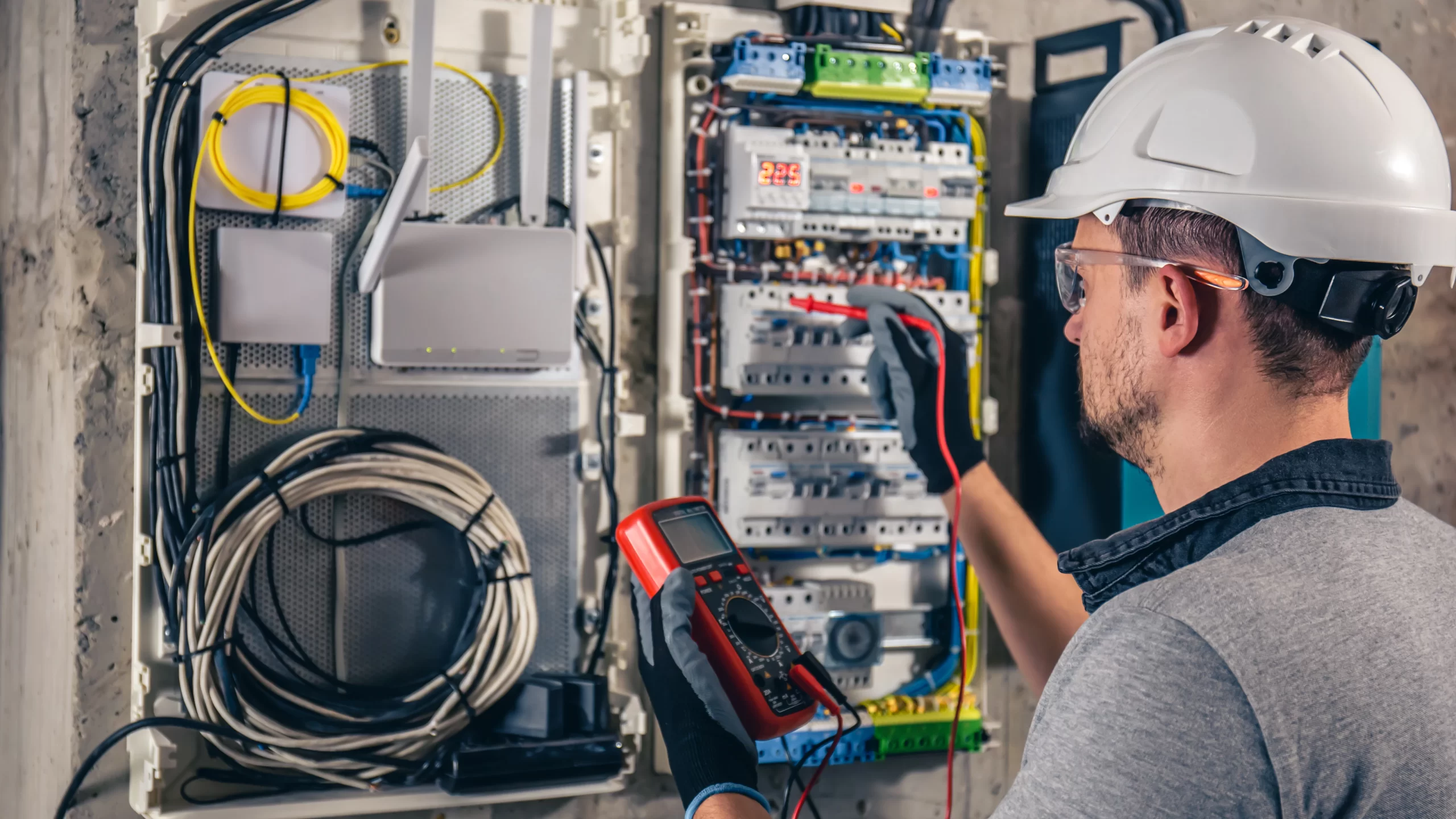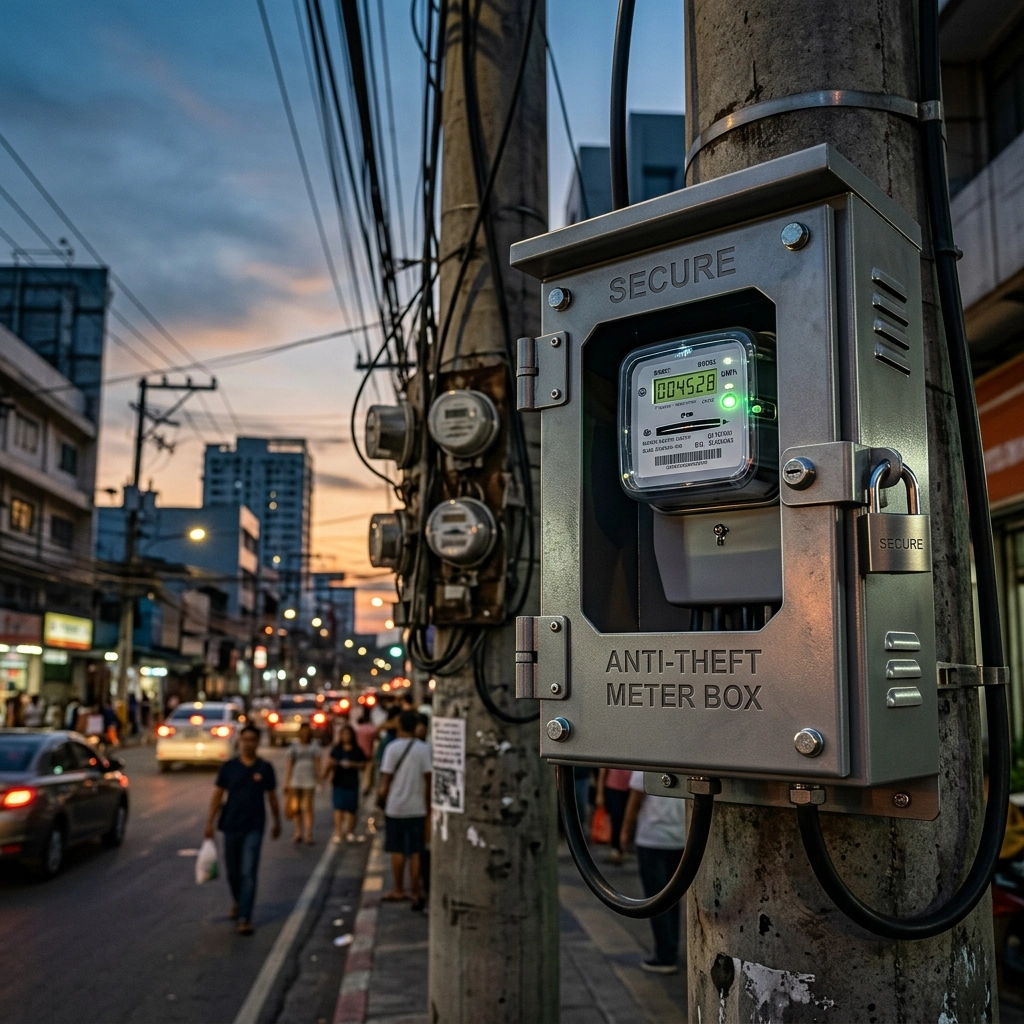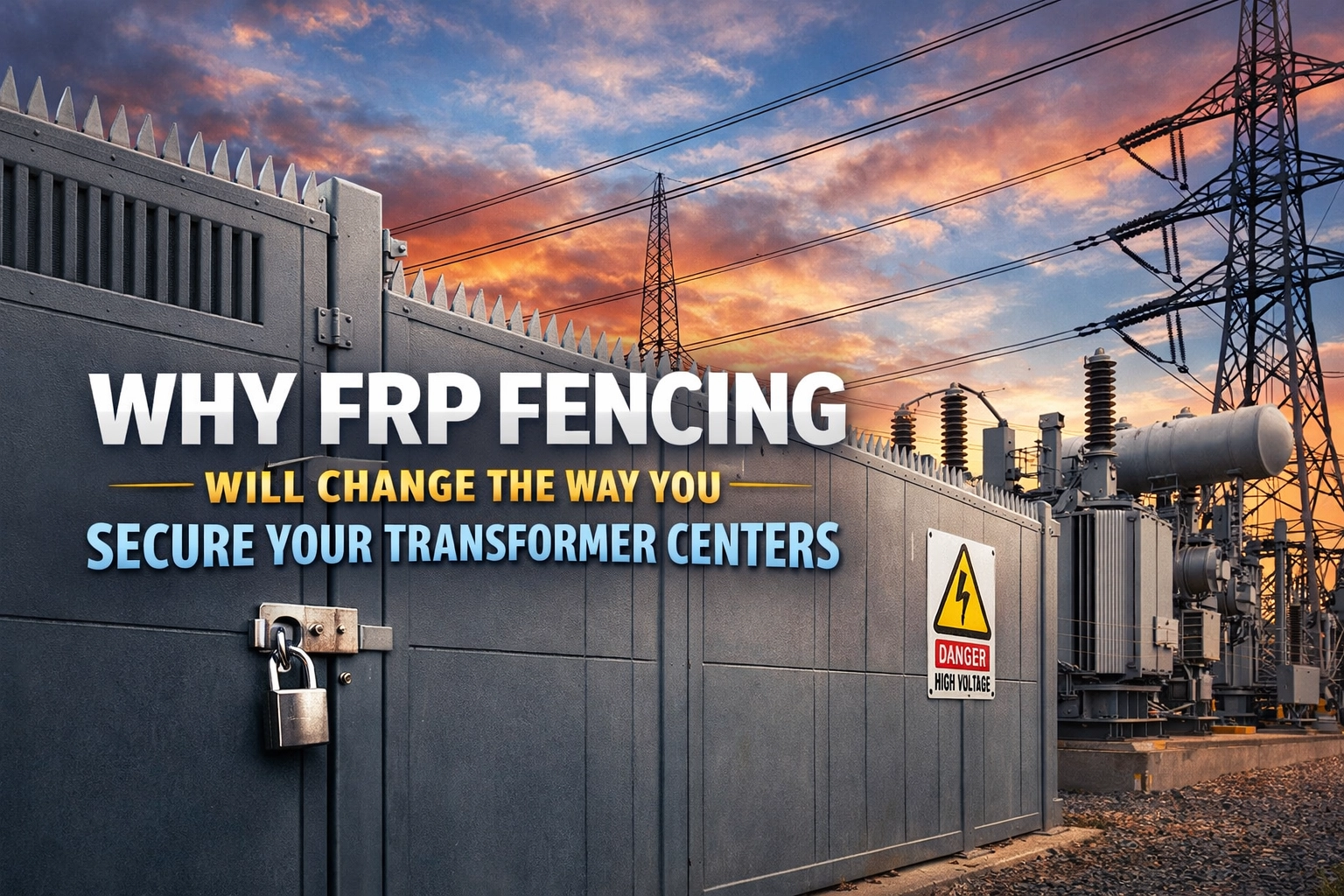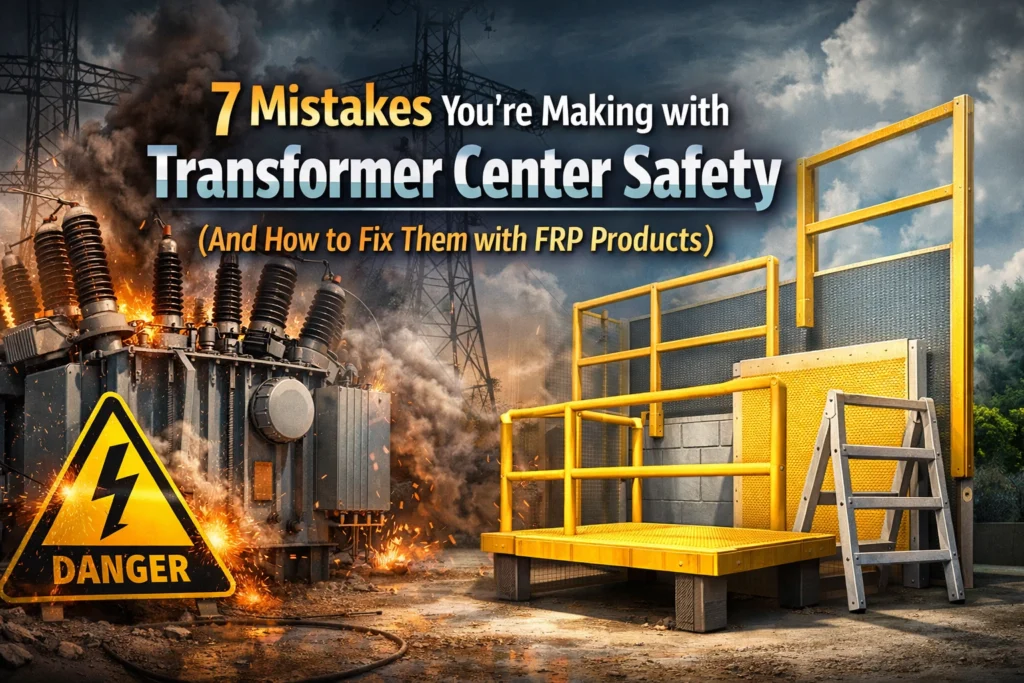
In the world of electrical contracting and utility management, the distribution transformer (DT) center is the heart of the grid. But let’s be honest: it’s often the most neglected part of the infrastructure. We focus on the high-voltage transmission lines and the smart meters at the consumer end, yet the equipment in the middle: the transformer center: is frequently a patchwork of outdated materials and safety oversights.
At RMC Switchgears Ltd., we’ve spent years on the ground, and we see the same mistakes repeated from one district to the next. These aren't just technical glitches; they are "consequence chains" that lead to equipment failure, revenue loss, and, most tragically, avoidable accidents.
If you’re managing power utilities or working as an EPC contractor, it’s time to look at your transformer centers through a different lens. Here are the seven most common safety mistakes we see today and how transitioning to FRP (Fiberglass Reinforced Polymer) and SMC (Sheet Moulding Compound) solutions can solve them.
01. Sticking with Traditional Metal Fencing
The most common sight at a DT center is a rusted, sagging chain-link or MS (Mild Steel) fence. While it looks like a barrier, it’s often a liability.
The Problem: Metal fences are conductive. If a fault occurs or a lead snaps, that fence can become energized. Furthermore, in coastal or high-humidity regions, metal fences corrode within 24 months, losing structural integrity and allowing unauthorized access or stray animals to enter.
The Solution: FRP Fencing.
Unlike metal, FRP is non-conductive and provides high dielectric strength. It acts as a permanent insulator between the high-voltage equipment and the public. At RMC Switchgears, our FRP fencing solutions are UV-stabilized and corrosion-resistant, meaning they stay standing and safe for 20+ years with zero maintenance.

02. Neglecting Transformer Bushing Protection
We’ve all seen the reports: a bird or a small animal comes into contact with an exposed transformer bushing, causing a massive flashover.
The Problem: Exposed bushings are the "Achilles' heel" of the transformer. Beyond wildlife interference, accumulated dust and moisture on exposed bushings can lead to tracking and eventual failure. These outages aren't just expensive to fix; they damage the reputation of the utility provider.
The Solution: Transformer Bushing Covers.
By installing high-quality polymer or FRP bushing covers, you eliminate the risk of phase-to-phase or phase-to-ground shorts caused by external factors. It’s a small investment that prevents a catastrophic equipment replacement.

03. Using Metal Enclosures in Harsh Environments
For years, the industry standard was the painted MS (Mild Steel) distribution box. But as we push for RDSS (Revamped Distribution Sector Scheme) compliance, the limitations of metal are becoming clear.
The Problem: Metal boxes rot. They are prone to "sweating" (internal condensation), which leads to short circuits in the LT (Low Tension) distribution system. More importantly, they are easy to tamper with, making them a primary target for energy theft.
The Solution: SMC Distribution Boxes.
Our SMC distribution boxes are the gold standard for modern grids. They are 100% rust-proof, tamper-evident, and have high thermal stability. Whether it’s the scorching heat of Rajasthan or the salt air of Gujarat, SMC maintains its integrity where metal fails.
04. Ignoring Clearances and Human Access Safety
Safety isn't just about the equipment; it's about the people maintaining it. A common oversight is failing to maintain the mandatory 10-foot clearance around pad-mounted transformers or using heavy, conductive gates that are difficult to operate.
The Problem: When space is tight, or gates are rusted shut, maintenance crews take shortcuts. They might climb over fences or fail to secure the site properly after finishing work, leaving the center exposed to the public.
The Solution: Modular FRP Gate Systems.
By using lightweight, high-strength FRP gates, you ensure that access points are easy to operate and won't conduct electricity if they accidentally touch a live component. Proper signage, also made from non-fading FRP, ensures that safety warnings remain legible for decades, not just months.
05. Underestimating the "Consequence Chain" of Poor Grounding
Grounding is often treated as a "set it and forget it" task. But at a transformer center, grounding integrity is everything.
The Problem: Traditional grounding materials can degrade or be stolen (copper theft is a real issue). When grounding fails, the protective transition of FRP products is even more critical. However, the mistake lies in thinking FRP replaces the need for good grounding.
The Solution: Synergistic Insulation.
While you must maintain your grounding pits, using FRP electrical infrastructure provides a second layer of defense. If the grounding fails, the non-conductive nature of the FRP enclosures and fencing prevents the "step and touch" potential from becoming a lethal hazard to someone standing nearby.
06. Reactive Instead of Proactive Maintenance
Most utilities wait for a "boom" or a blackout before they send a crew to a transformer center. This reactive approach is the most expensive way to run a grid.
The Problem: Minor issues like oil leaks, cracked insulators, or frayed wiring go unnoticed until they cause a total system failure. By the time a metal enclosure has rusted through, the internal components are already compromised.
The Solution: Smart Monitoring and Durable Housing.
Transitioning to smart-ready enclosures like our Pulsebox system allows for real-time monitoring of the LT side. Combine this with the durability of SMC/FRP housings, and your "maintenance" shifts from fixing broken hardware to simply reviewing data and performing scheduled inspections.
07. Non-Compliance with New Quality Norms (REC-NTH)
With the introduction of the new REC-NTH quality norms, many traditional transformer center setups are no longer compliant.
The Problem: Using sub-standard materials to save on upfront costs often results in failing audits or, worse, being disqualified from major EPC contracts under the RDSS framework.
The Solution: Certified Infrastructure.
RMC Switchgears is a leader in RDSS-compliant infrastructure. Our products are tested and validated by third-party labs, ensuring they meet the highest safety and performance standards. When you use our FRP and SMC solutions, you aren't just buying a box; you're buying compliance and peace of mind.
Why the Shift to FRP/SMC is Non-Negotiable
To illustrate the difference, let’s look at a side-by-side comparison of what happens at a transformer center over a 10-year lifecycle:
| Feature | Traditional Metal/Steel | RMC FRP/SMC Solutions |
|---|---|---|
| Corrosion Resistance | High risk; requires painting every 2 years | Zero corrosion; no painting required |
| Electrical Safety | Conductive; high risk of "live" enclosures | Insulating; zero "touch" potential |
| Theft/Tamper Resistance | Easily cut or pried open | High impact resistance; tamper-evident |
| Weight | Heavy; requires lifting equipment | Lightweight; easy 2-man installation |
| Life Expectancy | 5–7 years in harsh conditions | 20+ years in any environment |
The Bottom Line
Transformer center safety isn't just about following a manual; it's about adapting to the realities of the modern environment. High temperatures, rising energy theft, and the need for 24/7 uptime mean that the "old way" of using metal and open-air components is a ticking time bomb.
As the CEO of RMC Switchgears, I’ve seen how a simple switch to FRP fencing or an SMC distribution box can transform a utility's O&M (Operations and Maintenance) budget. You stop paying for "fixes" and start investing in "assets."

Let’s Build a Safer Grid Together
If you’re ready to audit your current transformer center safety or need advice on how to meet the latest RDSS requirements, we’re here to help. At RMC, we don't just manufacture parts; we engineer safety.
Our recognition, including being named in Forbes Asia's Best Under A Billion, is a testament to our commitment to innovation and quality in the power sector.

Ready to upgrade your infrastructure?
- Explore our full range of SMC and FRP products.
- Connect with our technical team to discuss pilot opportunities for your next project.
- Stay Updated on the latest industry trends via our news and blog section.
Don't wait for a failure to happen. Let’s get proactive about safety today.