A procurement officer for a coastal DISCOM once asked a simple question: steel meter boxes cost a fraction of what FRP boxes cost. Why would we choose anything else? The answer isn’t about the purchase price. It never is.
When you walk through the full lifespan of a steel enclosure, the repainting cycles, the fastener replacements, the water ingress, the component failures, the eventual premature replacement, the initial price advantage disappears entirely. What looked like a smart procurement decision in year one becomes an expensive lesson by year ten.
The material choice you make today is the maintenance budget you inherit for the next two decades. That’s the conversation worth having before the tender goes out.
The Real Cost of Steel Enclosures Over Their Lifetime
Why Steel Looks Like the Right Choice at Purchase
Steel distribution enclosures have dominated Indian procurement for decades. The initial cost is low, the material is familiar to engineers, local manufacturers have established supply chains, and for a DISCOM procuring thousands of units, the lowest-cost quotation is easy to justify on paper.
This decision looks rational on a single-year basis. Across the full lifespan that enclosures are expected to survive, the picture changes considerably.
How Steel Enclosures Degrade Over Time
In the early years, a steel enclosure performs adequately. Minor corrosion begins in coastal or industrial zones, but degradation is largely cosmetic—dull paint, surface rust on fasteners. It looks manageable because it is, for now.
By the middle years, repainting becomes necessary in coastal areas. Fasteners corrode and seize, and bolt removal requires cutting or drilling rather than a wrench. Gaskets shrink and the seal fails. Water begins entering the enclosure.
In the later years, pitting corrosion penetrates the enclosure wall in aggressive environments. Water ingress accelerates. Internal components corrode. Electrical failures increase. What began as a cosmetic issue has become a structural one. By the time a steel enclosure in a coastal jurisdiction reaches the end of its expected service life, it has typically been repainted multiple times, had fasteners replaced, had gaskets replaced, and caused internal component failures that required emergency attention. The cumulative cost of maintenance and repair far exceeds the original purchase price.
The Actual Cost Calculation Most Procurement Teams Skip
When you add up initial purchase, annual maintenance over the enclosure lifespan, component replacement driven by corrosion damage, and eventual premature replacement, the total cost of a steel enclosure in a coastal environment is typically several times the sticker price. The enclosure that appeared to be the budget-friendly option turns out to be the most expensive one in the fleet.
This is the calculation that RDSS Phase 2 procurement decisions are now locking in for the next generation of infrastructure.
Why FRP Solves the Corrosion Problem at a Fundamental Level
What FRP Actually Is
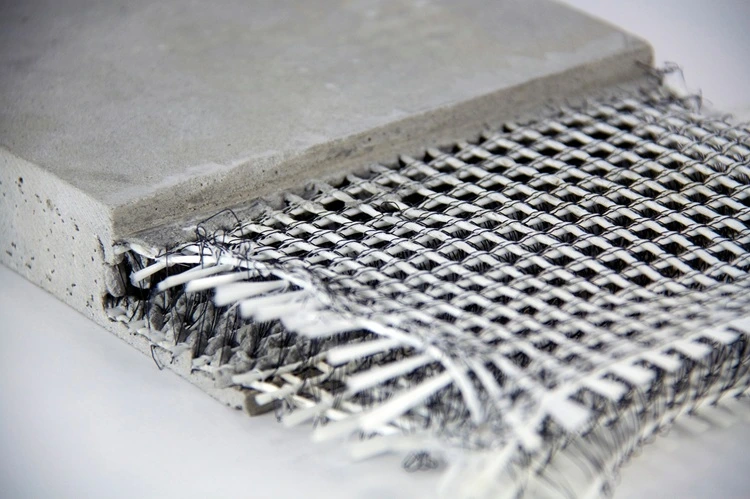
Fibre-reinforced plastic is an engineered composite plastic resin reinforced with glass fibres.
Neither plastic nor glass corrodes. Electrochemical corrosion, pitting, galvanic attack, salt-spray degradation—none of these are relevant to FRP. A decades-old FRP enclosure in a coastal zone looks nearly identical to a new one because the underlying material simply does not degrade through the mechanisms that destroy steel.
What This Means for Maintenance
The maintenance implications of corrosion immunity are significant.
Repainting is unnecessary because the surface does not degrade. Fastener replacement is not driven by corrosion. Stainless steel fasteners selected for strength rather than corrosion protection last indefinitely.
Gasket replacement occurs only for normal wear, not premature failure from environmental degradation. The enclosure interior remains dry because the material does not corrode, water does not accumulate, and component lifespan is not shortened by a hostile internal environment.
The Honest Cost Comparison
FRP enclosures cost more at purchase than steel. That is a fact, and there is no point obscuring it. The premium is real and it affects tender evaluations.
What procurement teams need to evaluate alongside that initial cost is the maintenance spend over the enclosure’s operating life.
When you compare the two on a total cost of ownership basis—initial purchase plus maintenance plus component replacement plus eventual replacement—FRP in coastal and industrial environments is consistently less expensive than steel.
The higher purchase price is recovered through years of avoided maintenance, and the saving compounds over the full asset lifespan.
The enclosure that costs more on day one costs considerably less by year twenty.
Thermal Performance: The Advantage Most Specifications Don’t Capture
What Happens Inside a Steel Enclosure in Summer
Metal conducts heat efficiently. In outdoor applications, this is a significant disadvantage.
When a steel meter box or secondary substation enclosure sits in direct sunlight at peak summer temperatures, the internal environment can reach levels well beyond the rated operating range of the electronics housed inside.
For equipment designed with a standard operating temperature ceiling, sustained operation significantly above that ceiling is destructive.
Capacitor lifespan drops sharply with each degree above design temperature. Solid-state memory becomes unstable. Communication module performance degrades.
The cumulative impact is premature component failure, forcing replacement of sensitive electronics years ahead of their designed service life.
How FRP Changes the Internal Thermal Environment
FRP’s poor thermal conductivity, a fraction of steel’s, prevents solar radiation from conducting heat into the enclosure interior.
In identical outdoor conditions, an FRP enclosure maintains internal temperatures substantially lower than a steel equivalent.
That temperature difference is the difference between electronics operating within their design range and electronics operating in conditions that shorten their life dramatically.
For a DISCOM with a large fleet of intelligent enclosures, this matters enormously.
Replacing communication modules and control electronics every few years instead of every decade transforms a manageable capital cost into a recurring budget pressure that compounds across the entire network.
Thermal Management Is Not a Luxury for Intelligent Infrastructure
As secondary substations become intelligent—housing IoT sensors, communication modules, protection relays, and control electronics—the thermal environment inside the enclosure directly affects the return on that technology investment.
Specifying a metal enclosure for intelligent infrastructure and then replacing the electronics prematurely undermines the entire business case.
FRP thermal management is not a premium feature. For intelligent enclosures, it is a prerequisite for the economics to work.
When to Specify FRP and When Steel Is Adequate
When Steel Is a Reasonable Choice
For temporary installations where lowest capital cost is the overriding constraint and long-term lifecycle cost is not relevant, steel is appropriate.
Some budget-constrained applications may choose steel knowingly because current-year capital constraints are binding regardless of the lifecycle economics. For inland, dry-climate installations without significant chemical exposure, steel is adequate. Corrosion rates in benign inland environments are far lower than coastal zones, maintenance costs accumulate more slowly, and the FRP cost premium may not justify the investment over the expected asset life.
When FRP Is the Engineered Choice
For coastal installations, industrial environments with chemical exposure, or any location with aggressive ambient conditions, FRP is not a premium option; it is the specification that delivers the lowest total cost of ownership.
Corrosion immunity, thermal performance, and minimal maintenance cost combine to make FRP the financially sound choice across the asset lifespan.
For intelligent secondary substations housing IoT components and communication electronics, FRP is essential regardless of climate zone. The thermal operating requirements of modern electronics are not optional. Exceeding them voids warranties and forces premature replacement cycles that make intelligent infrastructure more expensive than it needs to be.
The Framework in Practice
The question procurement teams should be asking is not which material is cheaper to buy. It is which material is cheaper to own across the asset lifespan that procurement decisions are locking in. In benign environments, the answer may be steel. In coastal, industrial, or intelligent-infrastructure applications, the answer is almost always FRP.
Standards and Compliance: What Adequate Enclosures Must Demonstrate
Key Standards for Outdoor Electrical Enclosures
Relevant Indian Standards govern electrical safety, environmental protection, and earthing integrity for outdoor distribution enclosures.
IP ratings define the sealing requirements for dust and water resistance. Coastal and urban installations typically require full dust protection and water jet resistance from any direction. Both steel and FRP enclosures can meet these standards. The question is not which material can comply, but which vendor can demonstrate compliance through independent testing rather than assertions.
What Independent Testing Should Confirm
Procurement specifications should require independent test reports covering:
- Salt-spray exposure testing to validate corrosion resistance in coastal conditions
- Thermal cycling across a representative temperature range to validate material stability
- UV aging testing to validate colour stability and long-term material integrity
These tests are not expensive relative to the enclosure cost and the asset lifespan they protect. They replace vendor claims with objective evidence. For a procurement decision that locks in maintenance costs for two decades, that evidence is worth requiring.
Frequently Asked Questions
1. Why Is FRP More Expensive Than Steel if It’s a Plastic-Based Material?
FRP manufacturing is a precision-engineered process requiring UV-stabilised resin, structured glass fibre reinforcement, mould creation, and quality control testing. Steel stamping and welding is a highly automated, commoditised process.
The manufacturing complexity justifies the cost premium, which is recovered through dramatically lower maintenance costs across the asset lifespan.
2. How Long Do FRP Enclosures Actually Last?
In coastal or aggressive-chemical environments, FRP enclosures maintain full functionality for well over two decades with minimal maintenance. In inland climates, the lifespan extends further.
The material does not degrade through corrosion, so the practical limit on lifespan is typically set by the replacement cycles of the components inside the enclosure—not the enclosure itself.
3. Does FRP Meet the Same Safety and Compliance Standards as Steel?
Yes. FRP enclosures can be manufactured to meet the relevant Indian Standards and IP protection ratings that DISCOM procurement requires. The material is non-conductive, which simplifies certain safety considerations.
There are no grounding risks from the enclosure body and no Faraday cage effects that might interfere with radio communication from IoT devices. Procurement specifications should explicitly require compliance certification, and vendors should provide independent test reports rather than self-declarations.
4. Can FRP Enclosures Be Modified in the Field?
FRP enclosures cannot be welded or field-modified the way steel can. For standard distribution equipment, this is not a practical limitation. Field modification of enclosures is not typically required or appropriate for safety reasons regardless of material. Knockouts, cable entry points, and mounting provisions should be specified at procurement and manufactured into the enclosure.
5. Are There Any Genuine Downsides to FRP Compared to Steel?
FRP is not lighter than steel; it is heavier in equivalent configurations, which is relevant for transport and installation planning.
The purchase price is higher, which affects tender evaluations conducted on initial cost. Field modification is more limited. These are real considerations. The question is whether these considerations outweigh the lifecycle cost advantage in the specific application.
For coastal, industrial, and intelligent-infrastructure applications, the evidence consistently says they do not.
The Decision That Matters Is the One You Make Before the Tender Goes Out
Enclosure material specification is one of the decisions that looks minor at procurement and looks significant on the maintenance balance sheet a decade later.
The total cost of ownership calculation is not complicated. It requires accounting honestly for maintenance, component replacement, and premature enclosure replacement over the asset lifespan.
In coastal and industrial environments, that calculation consistently favours FRP.
The higher purchase price is an investment in avoided maintenance and extended component life across a period that will outlast most procurement cycles.
The enclosure cost that matters is not the one paid on delivery.
It is the cumulative cost across the full asset lifespan.
Contact RMC Switchgears → rmcswitchgears.com