Every year, about 12,000 people die from electrocution in India. This number is higher than the combined total for Europe and North America.
Most of these deaths are preventable. Problems in infrastructure, maintenance, design, and lack of real-time visibility cause them. Experts say modern intelligent systems and better electrical safety products could stop up to 70% of these deaths.
The highest risk sits in Low Tension (LT) distribution networks. These final lines bring power to homes, shops, and communities. Between 60% and 70% of electrocution deaths occur in these LT zones. These areas are easy for the public to reach. Monitoring is often weak. Maintenance is often delayed.
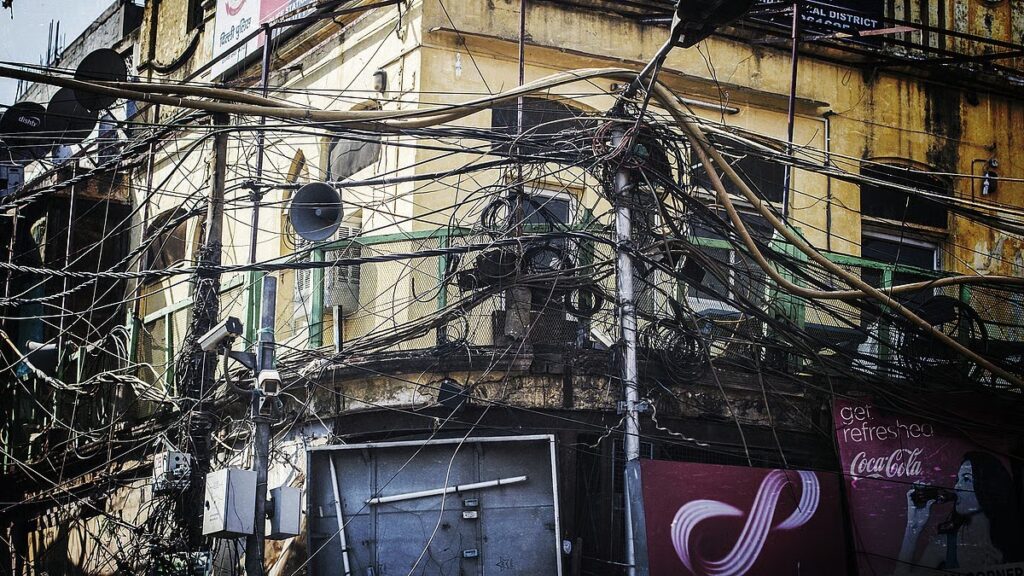
Source – Newslaundry
Three main technical problems cause most LT electrocution deaths:
- Neutral displacement
- Insulation degradation
- Improper earthing
Each problem is well known. Today’s technology can detect each one early. Traditional yearly inspections often miss them.
Intelligent monitoring systems, strong outdoor electrical enclosures, and modern power distribution solutions change this picture. They give continuous visibility into the network. Utilities can act before a hazard becomes a fatality.
Why LT Distribution Carries the Highest Risk
LT networks run at lower voltages — usually 415 V three-phase or 230 V single-phase. They have the largest number of connection points. These lines pass through crowded areas, along roads, near homes, and in commercial zones. Public exposure is high.
Several factors raise the risk:
- Old infrastructure built decades ago
- Delayed maintenance due to limited resources
- Little real-time information on equipment condition
- Harsh weather (moisture, salt, pollution, heat)
- Many points where people can touch live parts
Traditional inspections happen once a year or on fixed schedules. Faults can develop and stay hidden for months. In that time, many people remain at risk.
Field data shows most fatal incidents happen in LT networks. Higher-voltage systems get better monitoring. Improving electrical safety in LT distribution therefore saves the most lives.
1. Neutral Displacement – The Biggest Cause
Neutral displacement causes 40–50% of LT-related electrocution deaths in India. It is common and hard to notice.
In a normal three-phase system, three wires carry current. The neutral wire stays near zero volts. It acts as the safe reference. A customer connected between one phase and neutral gets about 230 volts.
When the neutral connection becomes loose or corroded, it is no longer properly grounded. The neutral wire can rise to 230 volts. Anyone who touches it, or any metal linked to it, gets a full electric shock.
The system keeps working. Lights stay on. Motors run. There is no sudden failure that draws attention. The danger can last for weeks or months until someone is killed and the problem is found.

Source ~ The Hindu
Why Neutral Problems Happen
Corrosion is the main cause. In coastal areas, salt air attacks metal joints and fasteners. In industrial zones, chemical fumes speed up the damage. Monsoon moisture makes it worse. Vibration, heat cycles, and poor installation also loosen connections.
Because the power still flows, customers rarely complain. The first clear sign is often a fatal accident.
Limits of Traditional Checks
Most utilities inspect neutral connections only once a year. A good connection in January can become dangerous by June or July. By the next inspection, it may already have caused a death.
How Intelligent Monitoring Helps
Continuous voltage sensors watch the neutral point. Any rise above zero volts triggers an alert. Field teams can reach the exact spot within hours. They clean corrosion, tighten or replace parts, and restore the neutral to a safe state.
This removes the hazard before it kills anyone. It is one of the strongest features of advanced smart metering solutions and intelligent LT distribution systems.
2. Insulation Degradation – The Silent Failure
Insulation in transformers, switchgear, and other equipment wears out over time. Moisture, heat, oxidation, and vibration all damage it. The process is slow and hard to see from outside.
A transformer can run for years while its insulation slowly weakens. When the insulation finally fails, it often causes a sudden short circuit and arc flash. Temperatures can go above 3,000°C. The blast can throw workers across a room and cause severe burns or death.
Why Current Methods Are Not Enough
Most utilities still test transformer oil once a year. They take a sample, send it to a lab, and wait weeks for results. By then, the condition may have changed. Many failures happen between tests with no warning.
Visual checks and basic electrical tests also miss early internal damage.
How Continuous Monitoring Gives Early Warning
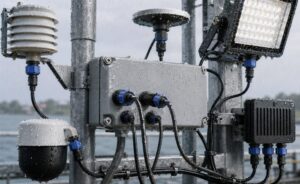
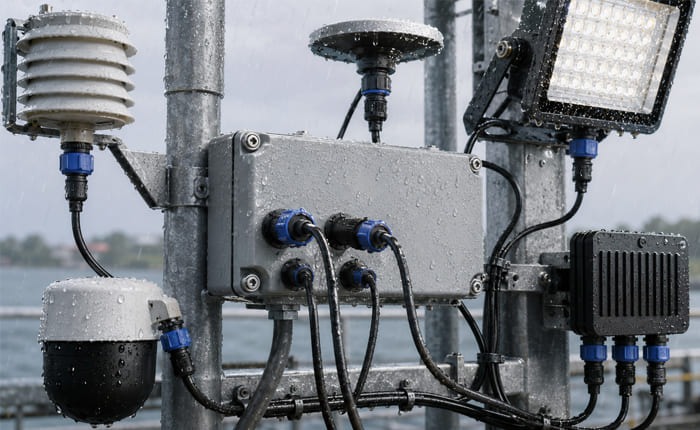
Modern systems place moisture and temperature sensors inside distribution enclosures. They track humidity and heat in real time. These conditions speed up insulation ageing.
Advanced systems can estimate remaining insulation strength using moisture levels, temperature history, and equipment age. When readings go beyond safe limits, the system alerts the maintenance team.
Teams can then plan the repair or replacement. They order parts, schedule crews, and inform customers in advance. The dangerous failure never happens because the equipment is taken out of service in time.
Good outdoor electrical enclosures and industrial electrical enclosures help too. They keep moisture and dirt out. This slows insulation damage and gives sensors cleaner data.
3. Improper Earthing and Grounding
Good earthing is essential for safety. When a phase-to-ground fault occurs, the fault current needs a low-resistance path to earth. This lets protective devices work quickly and stops dangerous voltages from appearing on metal surfaces.
In many LT installations across India, earthing is weak. Common problems include:
- Grounding resistance higher than safe limits
- Undersized grounding wires
- Earthing pits that are poorly maintained
- Corroded or broken earth connections
When a fault happens, the current looks for other paths. It may travel through equipment frames, water pipes, or building steel. Anyone touching these surfaces can get a serious or fatal shock.
Why the Problem Continues
Traditional systems rarely check grounding over time. An earthing system that was correct five or ten years ago can slowly fail. The first sign is often a serious accident.

How Intelligent Monitoring Fixes It
Continuous measurement of grounding resistance detects any rise above safe levels. Alerts let teams act early. They can water earthing pits, clean connections, upgrade wires, or replace parts while the system is still safe.
Keeping earthing in good condition removes a major cause of electrocution. It is a key part of any strong power distribution solution.
Other Factors That Increase Risk
The three main problems are the biggest causes. Other factors make the situation worse:
- Old equipment from the 1970s–1990s that was not built for today’s loads or weather
- Limited budgets that force reactive rather than preventive maintenance
- Field staff who lack tools or training to find hidden faults
- High public access to LT lines in both cities and villages
- Faster corrosion and insulation damage in coastal, industrial, and heavy-rain areas
These issues show why yearly inspections are not enough. Real-time monitoring and strong electrical distribution boxes are needed.
How Intelligent Monitoring Systems Work
Modern LT monitoring platforms usually include:
- Voltage sensors that watch the neutral point at all times
- Moisture and temperature sensors inside enclosures
- Grounding resistance monitoring
- Local processing that filters noise and creates clear alerts
- Links that send alerts to control rooms or mobile teams
- Dashboards that show location, severity, and next steps
The aim is not just to collect data. It is to turn data into clear actions so teams can fix problems while they are still small.
Well-designed smart meter enclosures, LT distribution boxes, and multi-meter boxes also improve safety. They reduce unauthorised access, give better physical protection, and create a controlled space for meters and sensors.
Results and Wider Benefits
Utilities that use intelligent monitoring on LT networks report clear gains:
- 50–70% fewer safety incidents
- Earlier detection of developing faults
- Shift from emergency repairs to planned work
- Fewer unplanned outages
- Better use of field crews
- Longer equipment life
These systems also improve reliability for customers and lower the cost of emergency response. When combined with good electrical safety products and modern power distribution solutions, the overall network performance rises.
Most of the 12,000 yearly electrocution deaths link to known, detectable, and fixable problems. Real-time monitoring removes the blindness that lets these hazards continue.
What to Look for in a Good System
When choosing monitoring and related hardware for LT safety, focus on these points:
- Continuous measurement of neutral voltage, moisture, temperature, and grounding resistance
- Clear alerts that show location and severity
- Strong performance in Indian conditions (heat, humidity, dust, coastal salt)
- Durable outdoor electrical enclosures that protect equipment and sensors
- Easy fit with existing field work and control centres
- Proven results from real field use, not just lab tests
The technology is ready. The next step is wide deployment across India’s LT networks.
Conclusion
Electrical safety in India’s LT distribution network is one of the country’s most serious and most solvable public safety problems. About 12,000 people die from electrocution each year. Most of these deaths happen in LT zones. They come from three clear problems: neutral displacement, insulation degradation, and poor earthing.
Yearly inspections are too rare and too limited to catch these issues in time. Intelligent monitoring systems, supported by modern outdoor electrical enclosures, distribution boxes, and smart metering solutions, give continuous visibility. They create early alerts and allow action before a hazard becomes a fatality.
Utilities that use these approaches see fewer safety incidents, better reliability, and more efficient maintenance. The tools exist today. Scaling them across India’s LT networks can prevent thousands of preventable deaths. It can also make the system safer for the public and for the people who work on it.
Modern LT infrastructure does not have to accept today’s level of risk. With the right monitoring, protective hardware, and response processes, most of these tragedies can be avoided.