More than 12,000 people die from electrocution in India every year — around 30 every single day, according to National Crime Records Bureau data. Most of these deaths don’t happen at high-voltage substations behind locked gates. They happen at the low-tension (LT) edge of the grid: the poles, boxes and service lines that sit closest to homes, shops and footpaths.
That’s the uncomfortable truth about electrical safety in LT distribution. The danger is rarely a dramatic equipment explosion. It’s a quiet fault — a loose neutral, damp insulation, a corroded earth pit — that stays invisible for weeks while the network keeps running normally. By the time anyone notices, someone has already been hurt.
The short version: most LT electrocutions trace back to a small set of known, detectable equipment faults rather than freak accidents. Three of them — neutral displacement, insulation breakdown and poor earthing — do the bulk of the damage. Each is invisible to a calendar-based inspection. Each is catchable the moment a network can actually see itself.
Why the danger concentrates in LT distribution
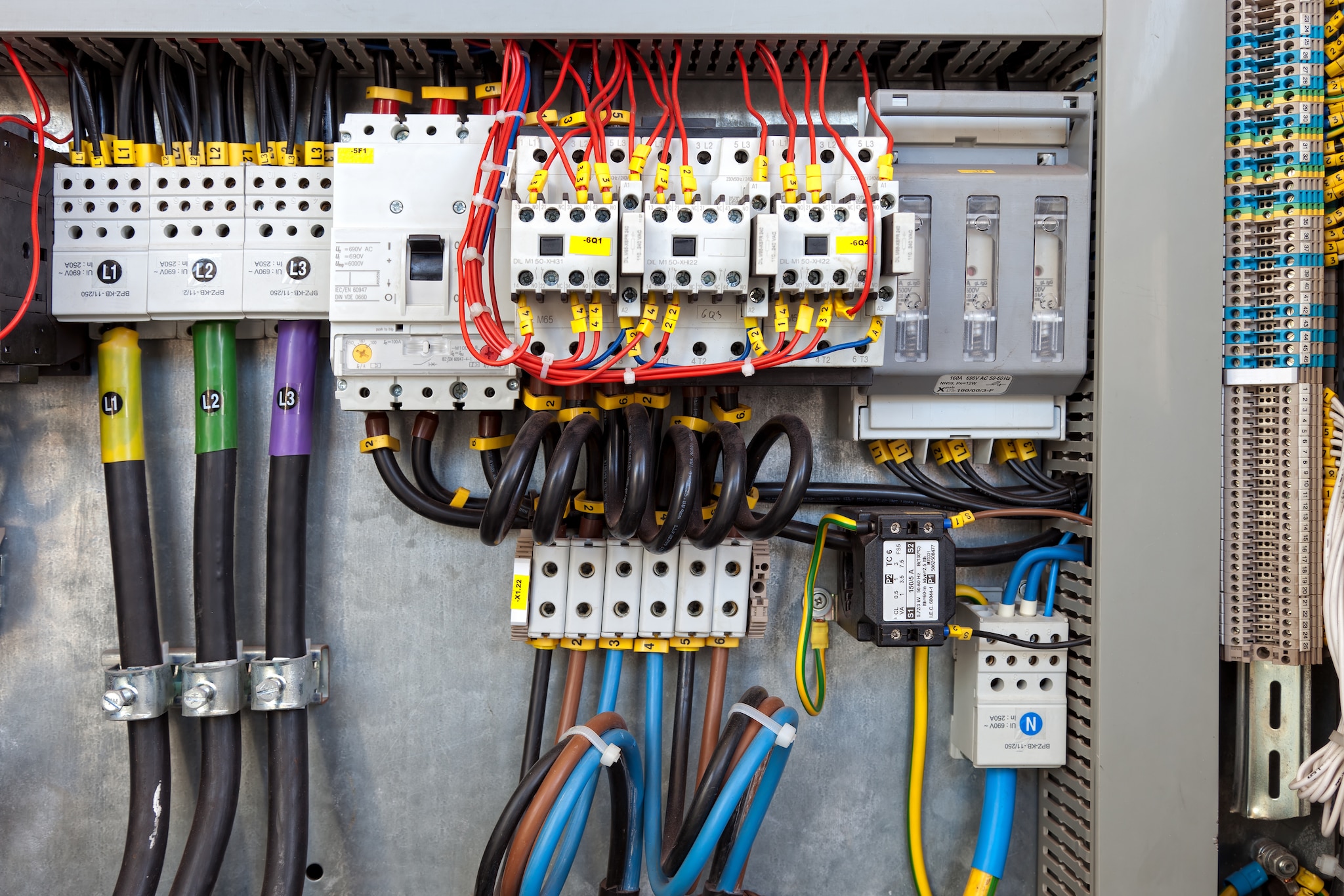
Power gets safer to be near as you move up the voltage chain. High-voltage assets are fenced, monitored and handled by trained crews. The LT layer is the opposite. It runs along streets and through neighbourhoods, it’s the most accessible to the public, and it’s where maintenance tends to get deferred the longest. So when something fails here, people are usually close by.
That combination of heavy exposure, deferred upkeep, poor visibility is why so many electrocution deaths cluster in LT zones rather than upstream. The hazards below aren’t exotic. They’re ordinary faults sitting in the part of the grid least equipped to spot them.
1. Floating neutrals: the hidden hazard that does the most harm
In a three-phase LT system, three live wires carry current and a neutral acts as the reference point, sitting at zero volts. A normal single-phase connection one phase plus neutral gives you the 230 V that runs a home.
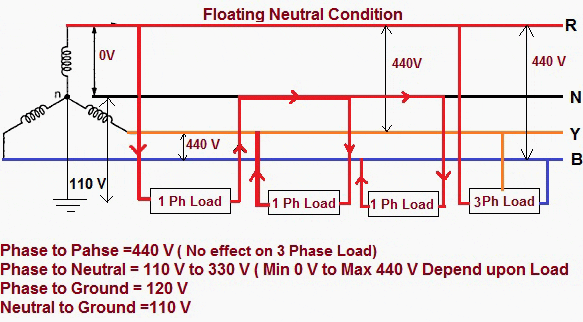
The neutral only stays safe as long as it stays properly bonded to earth. Let that connection loosen or corrode and the neutral is no longer held at zero; it can drift up towards phase voltage. Now the wire everyone treats as harmless is sitting at around 230 V, and anyone who touches it a lineman, a resident, or a child near a service pole takes a full phase shock.
What makes a floating neutral so dangerous is that nothing looks wrong. The lights still work. Current still flows. Equipment still runs. The fault can sit there for weeks, quietly putting hundreds of people at risk, until someone is killed and the cause is finally traced. Coastal salt air, industrial fumes and monsoon damp all accelerate the corrosion behind it so the connections most likely to fail are often in exactly the areas with the heaviest footfall.
A once-a-year inspection regime is poorly suited to catching this. If a fault develops the week after an inspection, it has eleven months to do harm before anyone checks again.
How continuous monitoring stops it
Continuous monitoring flips that logic. Voltage sensors watch the potential at neutral points around the clock. The moment the neutral drifts away from zero, the system raises an alert and a field team can be on site within a day cleaning the corrosion, tightening or replacing the connection, and bringing the neutral back to a safe state before anyone is exposed. The hazard never gets its window.
2. Insulation breakdown: the failure that builds silently
Transformers and switchgear rely on insulation that ages quietly over years. Moisture works its way in, oxidation sets in, mechanical stress accumulates and none of it shows on the surface. A transformer can run for years while its insulation degrades internally.
The problem is how it ends. Once insulation passes a critical point, it can fail with very little warning. A breakdown between phases creates a short circuit and an arc flash a burst of heat and pressure violent enough to injure anyone standing nearby and to knock thousands of consumers off supply at once.
Standard practice leans on annual oil testing: pull a sample, send it to a lab, wait weeks for a result. By the time the report lands, the equipment may already have moved on and a transformer that fails between test windows gives no warning at all.

How continuous monitoring stops it
Sensors inside the enclosure track moisture and temperature in real time, and the better systems use those readings to estimate how close the insulation is to breakdown given the equipment’s age and operating conditions. When the numbers start trending the wrong way, the team gets a warning with enough lead time to plan a proper replacement order the unit, schedule the crew, notify consumers and swap it out before it fails rather than after.
3. Poor earthing: the safe path that isn’t there
Earthing is the system’s backstop. When a phase-to-ground fault occurs a damaged conductor, a leaking wire the fault current is supposed to flow harmlessly to earth. That only works if the earthing is sound: correct design, adequately sized conductors, a well-maintained earth pit with low resistance.
Plenty of LT points fall short. Earth resistance creeps up as soil conditions change, conductors are undersized, pits get neglected. When the safe path isn’t there, the fault current looks for another one through equipment frames, water pipes, building steel and turns those everyday structures into shock hazards for anyone in contact with them.
An earth pit that tested fine five years ago can quietly drift out of spec, and on a traditional network nobody knows until a fault finds the weakness.
How continuous monitoring stops it
Here the fix is measurement. Earth resistance is tracked continuously, and any rise past a safe threshold triggers maintenance watering and salting the pit, cleaning conductors, replacing what’s worn so the safe path stays available for the day it’s actually needed.
From a blind network to one that can see itself
Look at the three together and a pattern emerges: none of them is a true accident. Each is a known fault with a known signature, and each stays dangerous only because a conventional network has no way to notice it between inspections. Floating neutral, failing insulation, degraded earth all three become detectable the moment the network is given senses.
That’s the shift continuous monitoring represents, and it’s what a smart LT distribution box like RMC’s Pulse Box is built to deliver: instead of waiting for the next scheduled visit, the network watches its own neutral integrity, insulation condition and earthing performance, and flags a problem while it’s still just a problem.
It also sits squarely with where India’s distribution sector is already heading. Under modernisation programmes like the RDSS, safer and more visible LT infrastructure is part of the same agenda as reliability and loss reduction not a separate conversation.
None of this is theoretical. The sensing, the thresholds and the alerting all exist today. The case for it is simple: these are preventable deaths caused by faults a network can be taught to see.
Frequently asked questions
What is the leading cause of electrocution in LT distribution?
Most LT electrocutions come back to a few known equipment faults rather than one-off accidents chiefly a displaced (floating) neutral, breakdown of ageing insulation, and inadequate earthing. All three can stay invisible on a network that’s inspected only on a fixed schedule.
What is a floating or displaced neutral?
It’s when the neutral wire loses its solid connection to earth — usually through a loose or corroded joint and drifts up from zero towards phase voltage. A wire people assume is safe can then sit at around 230 V, which is what makes it so hazardous.
Can LT distribution safety failures actually be prevented?
In most cases, yes. The faults behind them develop gradually and give off measurable signs voltage drift, rising moisture, increasing earth resistance. Continuous monitoring detects those signs early enough for crews to act before the fault turns dangerous.
How does continuous monitoring improve electrical safety in LT distribution?
It replaces once-a-year checks with round-the-clock measurement of neutral integrity, insulation condition and earthing. Instead of discovering a fault after an incident, teams get an alert as it develops and can fix it within a day.