Ask most people in the power sector what “smart metering in India” means. They’ll describe a rollout: millions of prepaid meters replacing old analog ones, DISCOMs cutting theft, RDSS hitting its targets. That’s not wrong. It’s just the first chapter. And that chapter is almost over.
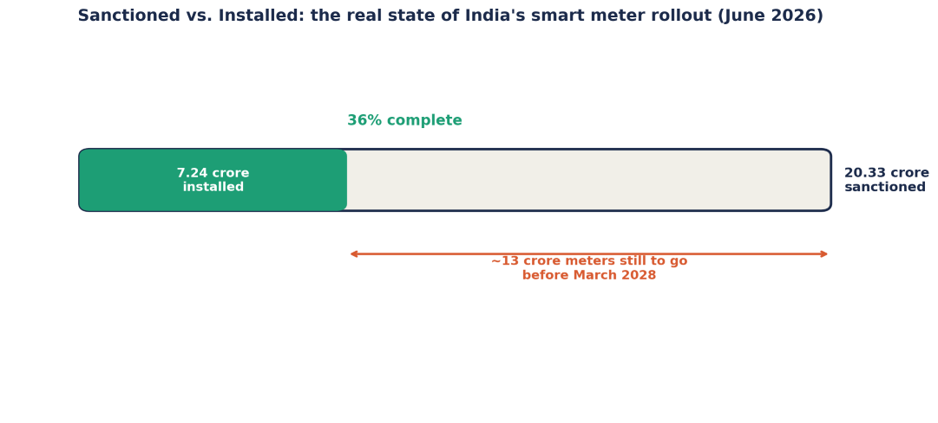
As of June 2026, India has installed 7.24 crore smart meters. Another 20.33 crore are already sanctioned under the Revamped Distribution Sector Scheme. The scheme sunsets in March 2028. That gives the industry roughly two years to finish the part everyone talks about. Almost nobody is talking about what happens after.
That’s the more interesting question. Once tens of crores of meters are live and reporting data every fifteen minutes, visibility stops being the bottleneck. The real question becomes: what does the grid actually do with that data? That’s where the next ten years get decided.
Where We Actually Are Right Now
It’s worth being precise about where things stand. The gap between “sanctioned” and “installed” is where most of the public confusion lives.
| Metric | Figure | As of | Sources |
|---|---|---|---|
| Smart meters installed (all schemes) | 7.24 crore | June 2026 | Link |
| Smart meters installed under RDSS | 5.73 crore | June 2026 | Link |
| Smart meters sanctioned under RDSS | 20.33 crore | 2026 | |
| AT&C losses (national average) | ~15%, down from 21.91% in FY21 | FY25 | Link |
| RDSS scheme sunset date | March 2028 | — | Link |
The direction is clear. Losses are falling. Installation pace has picked up after early delays. The AMISP model — private operators managing meters under 8-10 year concessions — has moved from experiment to default. But two-thirds of the sanctioned target is still not installed. That’s the honest starting point for any conversation about the next decade.
What Happens Between Now and 2028
The next two years are still mostly about finishing the rollout. But the problems ahead are sharper than “how fast can we install meters.”
The AMISP Payment Problem Still Needs Solving
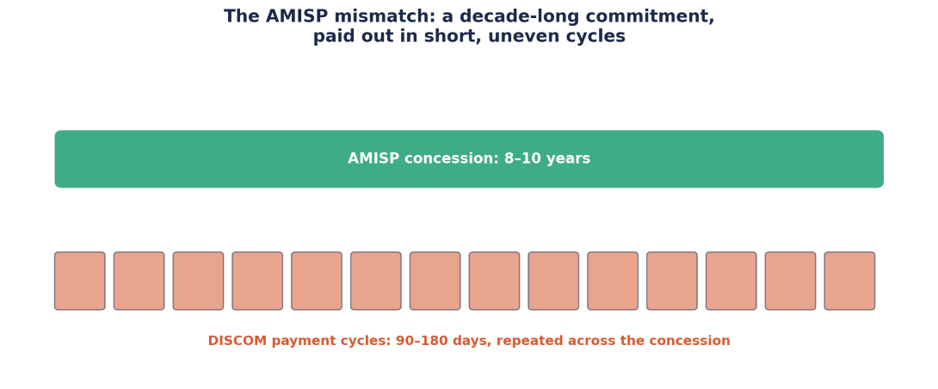
AMISPs get paid over the life of long concessions. But many DISCOMs still run 90-180 day payment cycles, far slower than what RDSS was designed for. That mismatch is a real constraint on how fast private operators can scale installation. It’s a financing problem wearing a technology costume. Expect 2026-2028 to be as much about DISCOM payment reform as about meter hardware.
Progress is also uneven across states. Bihar, Assam, Uttar Pradesh and Haryana are moving fast. Gujarat is slower, partly because consumers there have raised concerns about billing accuracy. The next two years will likely bring a wave of consumer-trust work: clearer billing dashboards, faster grievance redressal, and better public communication about how prepaid billing works. A smart meter consumers don’t trust won’t deliver the AT&C gains it was installed to capture.
What the Decade After That Actually Looks Like
Here’s the part most coverage skips. Once the meter becomes the default instead of the milestone, the interesting shifts move up the stack. The story stops being about hardware installation. It becomes about what the data and the connected infrastructure actually enable.
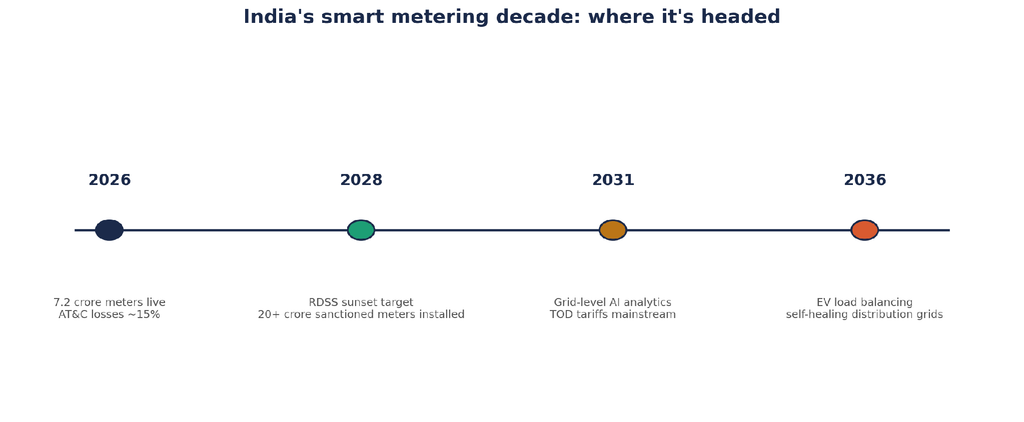
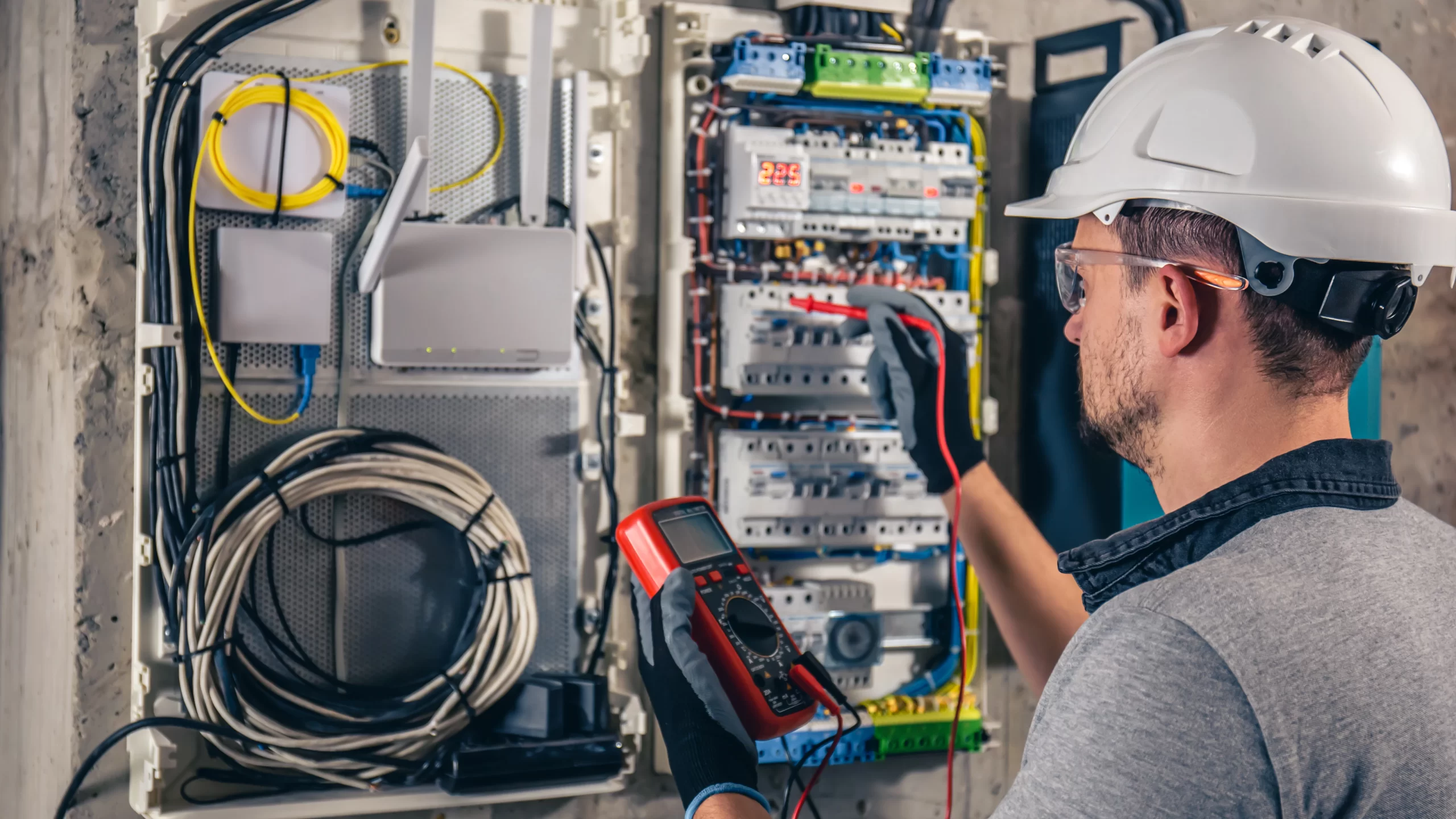
The rollout phase ends around 2028 — what comes after is where the real transformation happens
From Meters to a Truly Smart Grid
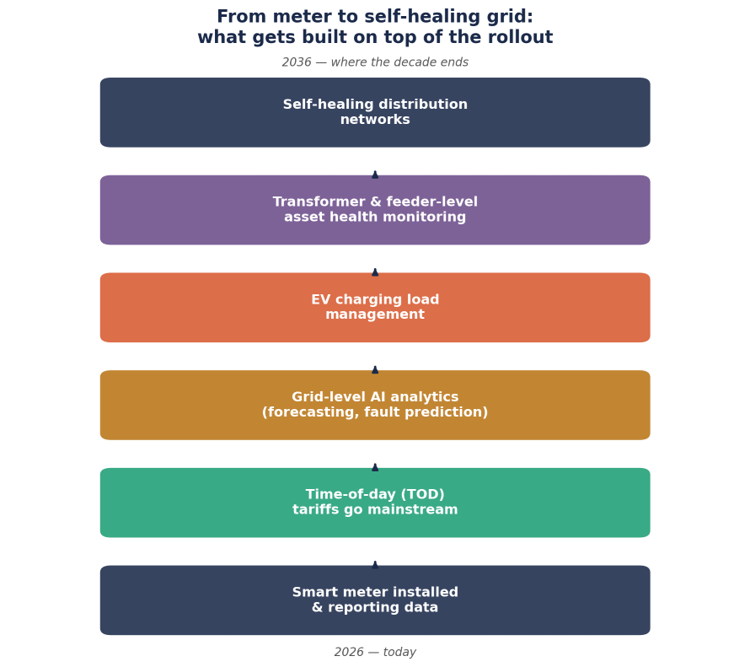
A few shifts are already visible in early form. They’re likely to define the 2028-2036 window:
- Time-of-day (TOD) tariffs will become standard, not a pilot. Smart meters make dynamic pricing possible at consumer scale for the first time — and that shifts demand away from peak hours.
- Grid-level AI analytics will move from DISCOM dashboards to automated action. Load forecasting, fault prediction, and theft detection will trigger a response before a human even reviews a report.
- EV charging load will become a real grid-management problem, not a footnote. Smart meters and distribution transformer monitoring will supply the data needed to manage local demand spikes as EV adoption grows.
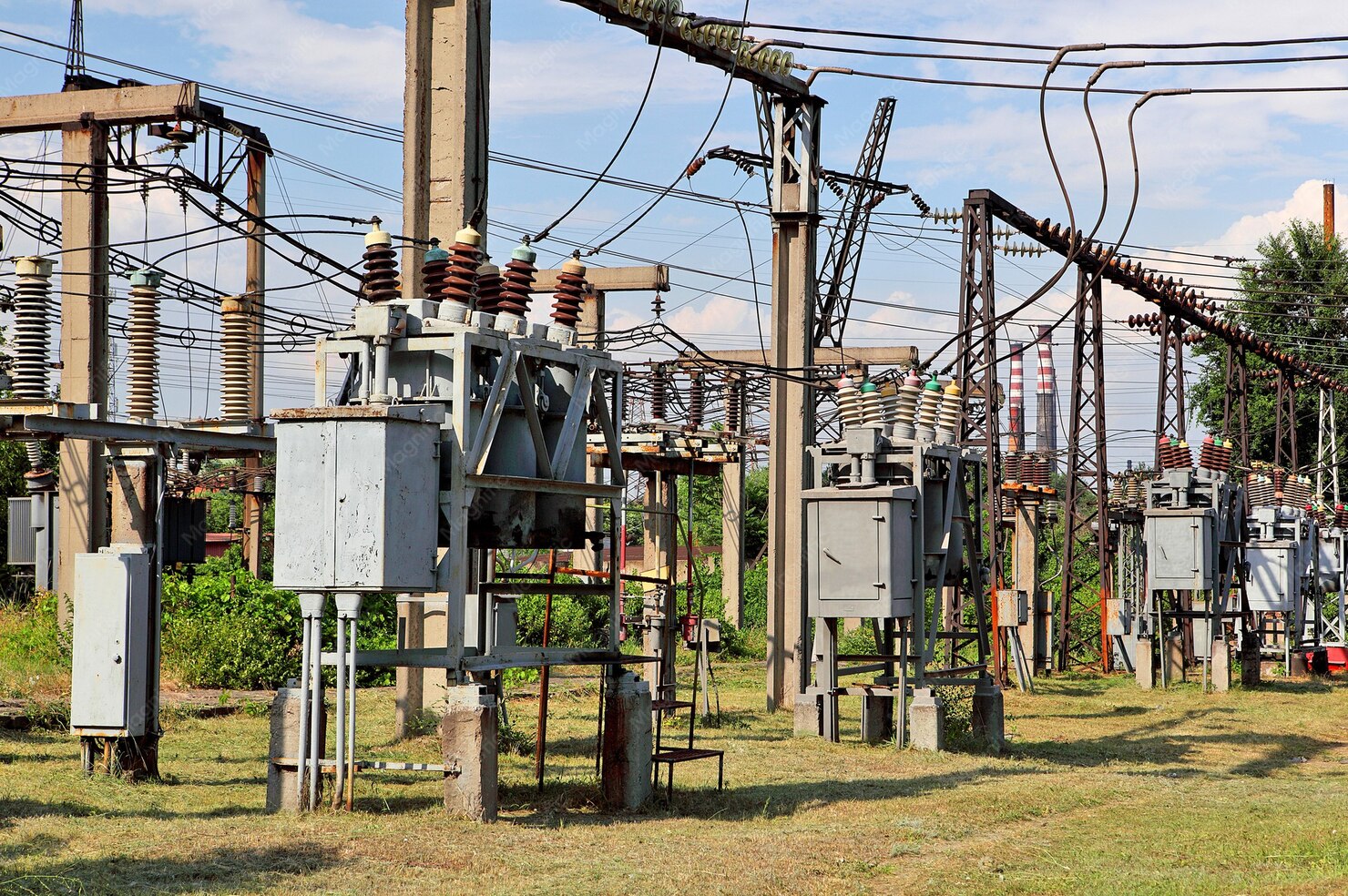
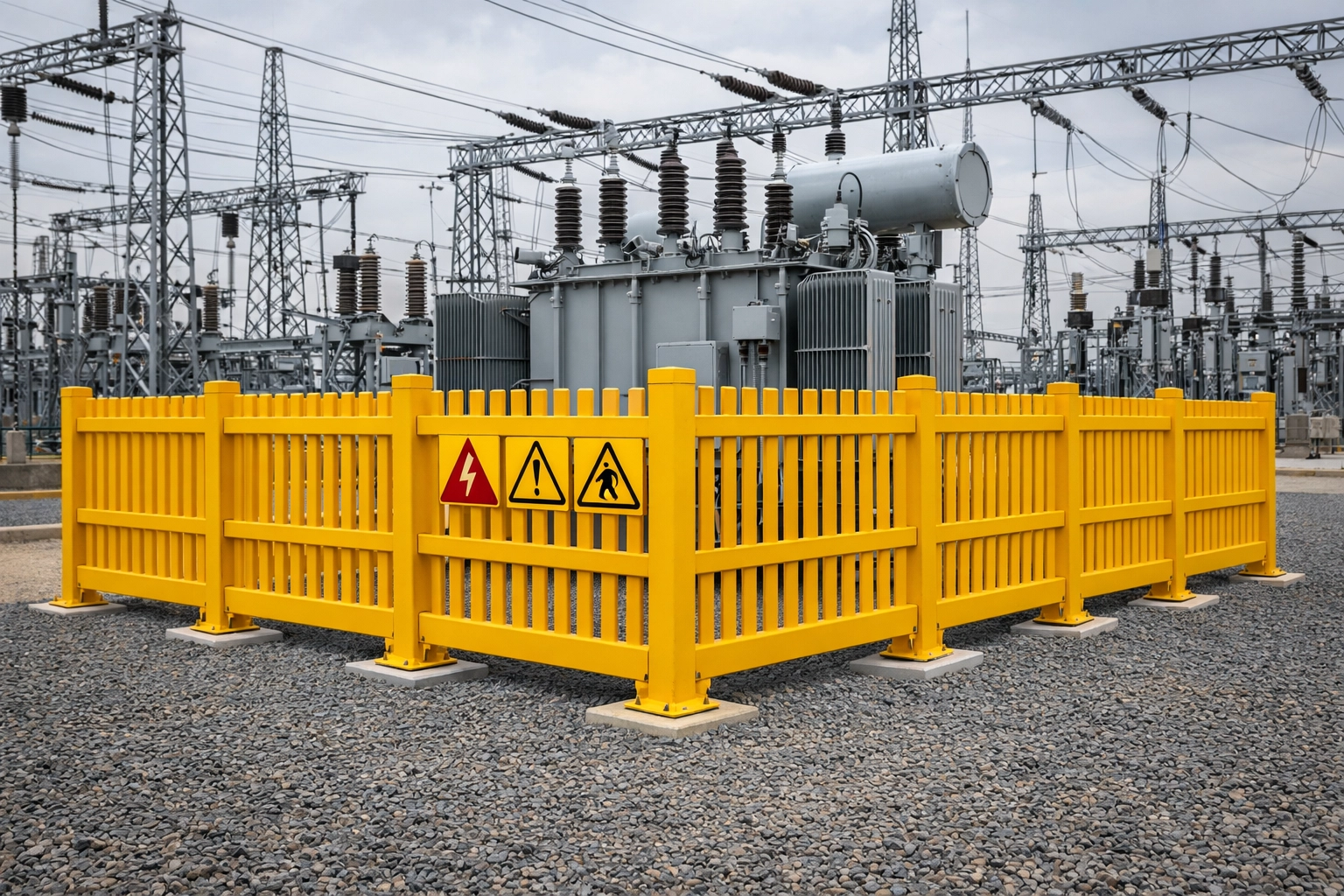
- Distribution transformer and feeder-level metering will mature into real-time asset health monitoring — not just billing. This is what catches neutral displacement, insulation degradation, and earthing problems long before they cause an outage or a safety incident.
- Self-healing distribution networks — automated fault isolation and reconfiguration — will move from pilot projects in a handful of DISCOMs to a real expectation for tier-1 urban networks.
What This Means for Hardware, Not Just Software
It’s tempting to read all of this as a software and policy story. It isn’t only that. Every one of these shifts depends on physical infrastructure. And that infrastructure has to survive far longer in the field than typical consumer electronics — because AMISP concessions run 8 to 10 years. DISCOMs aren’t going to re-dig trenches and re-mount enclosures every time the analytics layer improves.
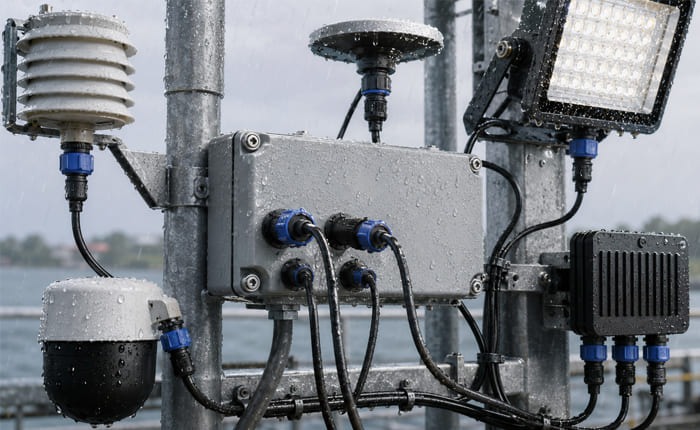
That has a direct impact on how meter boxes, distribution boxes, and control units get specified today. A meter installed in 2026 under a 10-year AMISP concession needs to still be readable, tamper-resistant, and weatherproof in 2036 — not just functional on day one. The enclosure decisions being made right now, during this rollout phase, are the ones that decide whether “smart” metering is still working a decade from now. Or whether a DISCOM ends up paying to replace corroded, tampered, or heat-damaged hardware halfway through a concession it already paid for.
This is exactly the thinking behind hybrid systems like Pulse Box™: build the physical layer to outlast the software and policy layers stacked on top of it. Don’t treat the enclosure as an afterthought to the metering technology inside it.
The Real Bottleneck Isn’t Technology
None of the next decade’s shifts — TOD tariffs, AI-driven grid analytics, EV load management, self-healing networks — are blocked by unavailable technology. Most of it already exists somewhere in the world at scale. What India is actually building right now is the physical and financial foundation underneath it: enough meters installed and trusted, enough DISCOM cash flow fixed, enough field hardware durable enough to still send clean data in 2033.
The next ten years of Indian smart metering won’t look like a hardware rollout. They’ll look like a slow shift from “we can see the grid” to “the grid manages itself.” But that shift only happens on top of infrastructure specified correctly today. That’s why the boring decisions being made right now — about enclosures, gaskets, and IP ratings — matter just as much as the exciting ones about AI and dynamic tariffs.
Frequently Asked Questions
How many smart meters has India installed so far?
As of June 2026, India has installed 7.24 crore smart meters across all schemes. This includes 5.73 crore under the Revamped Distribution Sector Scheme (RDSS). A total of 20.33 crore meters are sanctioned under RDSS. Installation is targeted for completion by the scheme’s March 2028 sunset date.
Why has India’s smart meter rollout been slower than planned?
Early delays came from setting up model tender frameworks, test beds, and vendor empanelment for a genuinely new technology model. More recently, the main constraint has been DISCOM payment cycles. Many DISCOMs still settle AMISP payments over 90-180 days, far slower than the scheme envisioned. That limits how fast private operators can scale installation, even with strong demand.
What is an AMISP and why does it matter for the next decade?
AMISP stands for Advanced Metering Infrastructure Service Provider. These are private companies that install and manage smart meters under long concessions, typically 8 to 10 years, instead of DISCOMs owning and running the hardware themselves. This model shifts responsibility for meter performance and durability onto private operators for the full concession period. That’s exactly why field hardware needs to be built to last the whole concession — not just survive commissioning.
Will smart meters actually lower electricity bills for consumers?
Smart metering itself doesn’t lower tariffs. But it enables time-of-day pricing, which can reduce bills for consumers who shift usage away from peak hours. It also improves billing accuracy, correcting both overbilling and underbilling that happened under manual meter reading. RDSS’s core financial goal is reducing AT&C losses and closing the revenue gap for DISCOMs — which indirectly supports long-term tariff stability.
What happens to smart metering in India after RDSS ends in 2028?
The 2028 sunset marks the end of the current installation-focused scheme. It doesn’t mark the end of smart grid development. The next phase is expected to shift focus from installing meters to using the data they generate — for time-of-day tariffs, AI-driven grid analytics, EV charging load management, and increasingly automated fault detection and self-healing distribution networks.
Does India’s smart grid future depend on better software, or better hardware?
Both — but hardware is the less-discussed constraint. AMISP concessions run 8-10 years. The physical infrastructure — meter boxes, distribution boxes, enclosures — needs to survive Indian field conditions for that entire period without degrading data quality or needing early replacement. Software and analytics can be upgraded remotely. Corroded or tampered field hardware cannot be patched.