

Do You Really Need Anti-Theft Meter Boxes? Here’s the Truth About Slashing AT&C Losses
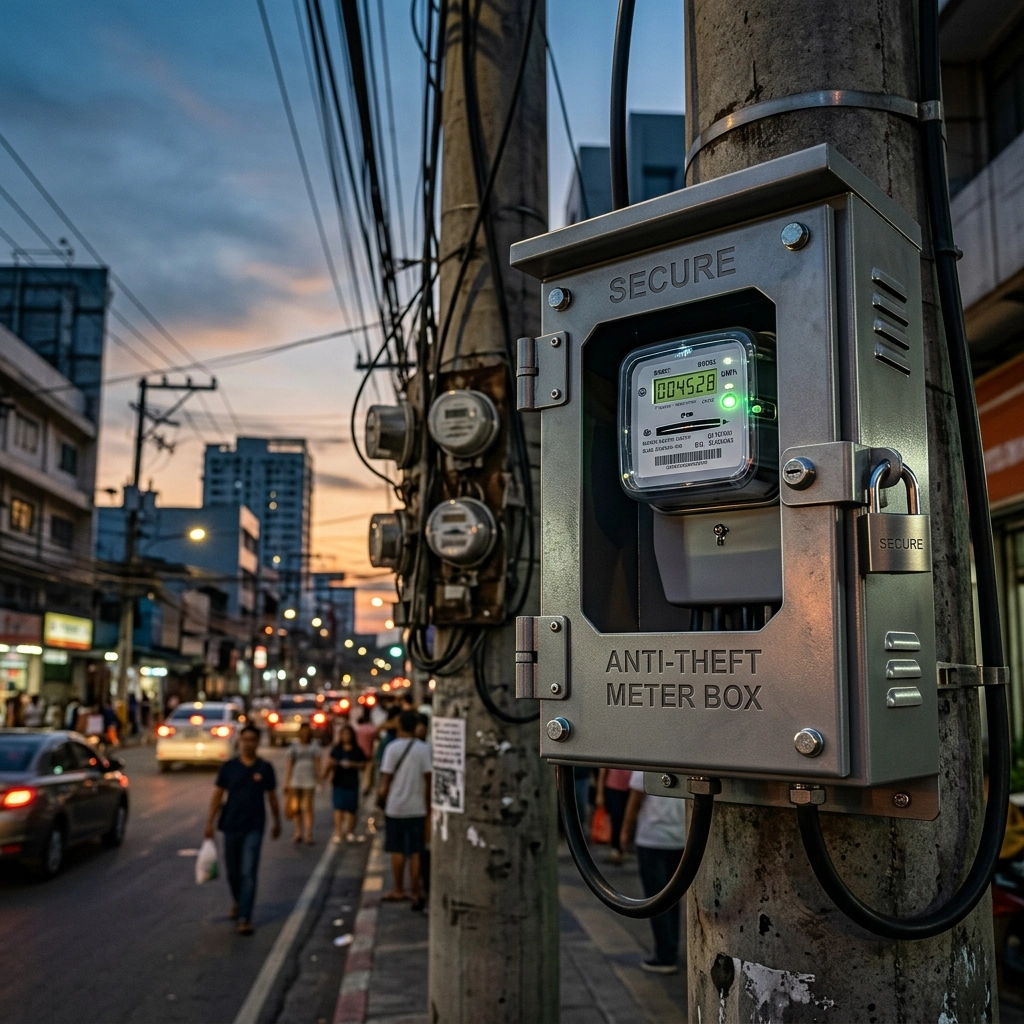
Let’s be honest: in the world of power distribution, we talk a lot about "smart grids" and "digital transformation." But while we’re busy looking at the high-tech horizon, there is a massive leak in the basement. That leak is AT&C (Aggregate Technical and Commercial) losses, and for many DISCOMs, it’s the difference between a thriving […]
Why FRP Fencing Will Change the Way You Secure Your Transformer Centers
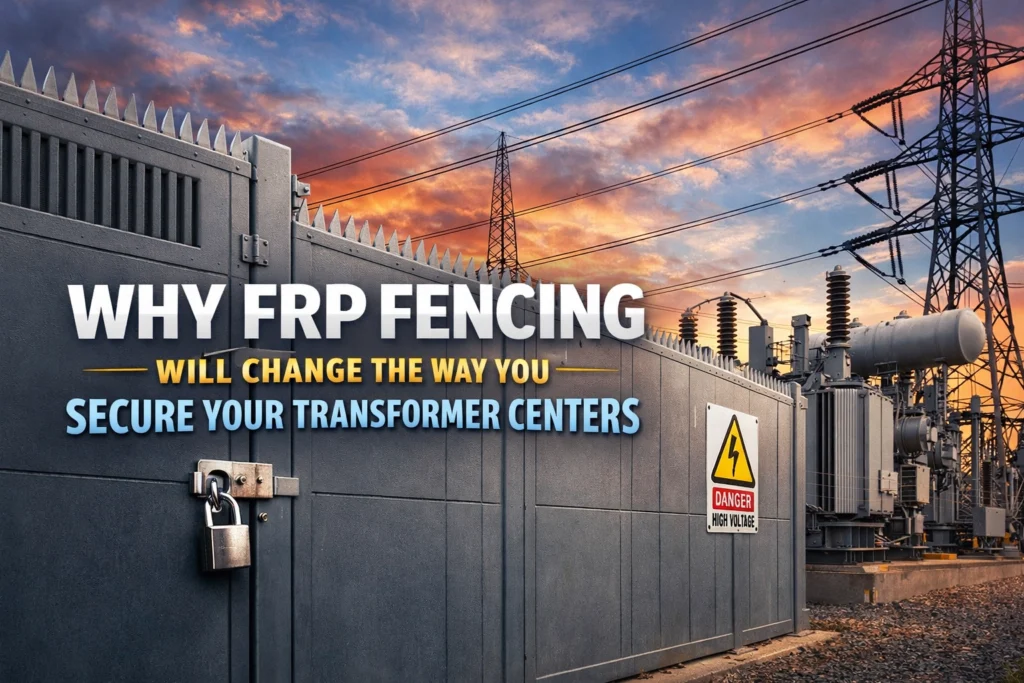
For decades, the standard operating procedure for securing electrical infrastructure has relied on a flawed material: metal. Whether it is Mild Steel (MS) or chain-link fencing, the traditional approach to safeguarding transformer centers and substations is increasingly becoming a liability for modern DISCOMs and EPC contractors. The reality on the ground is stark. Metal fences […]
7 Mistakes You’re Making with Transformer Center Safety (And How to Fix Them with FRP Products)
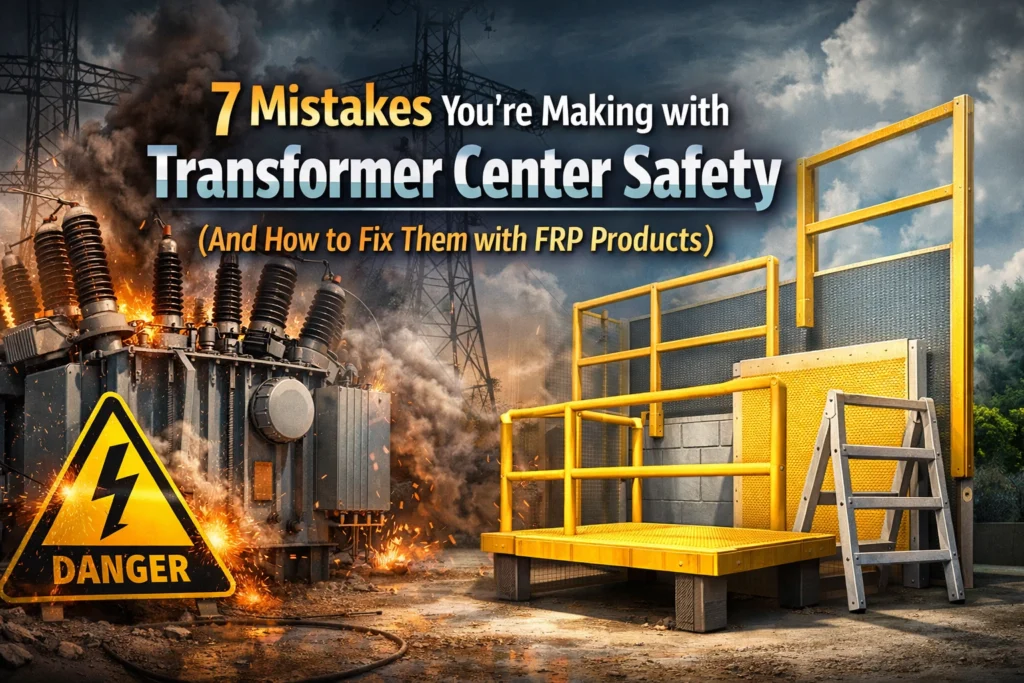
In the world of electrical contracting and utility management, the distribution transformer (DT) center is the heart of the grid. But let’s be honest: it’s often the most neglected part of the infrastructure. We focus on the high-voltage transmission lines and the smart meters at the consumer end, yet the equipment in the middle: the […]
Why Everyone Is Talking About AMISP Reliability (And You Should Too)

The Indian power sector is currently undergoing its most significant transformation in decades. Under the Revamped Distribution Sector Scheme (RDSS), the traditional model of utility-managed metering is being replaced by the Advanced Metering Infrastructure Service Provider (AMISP) model. For the uninitiated, this shift isn't just a technical upgrade; it is a fundamental change in how […]
7 Risks at Transformer Centers (And How Bushing Covers Can Fix Them)
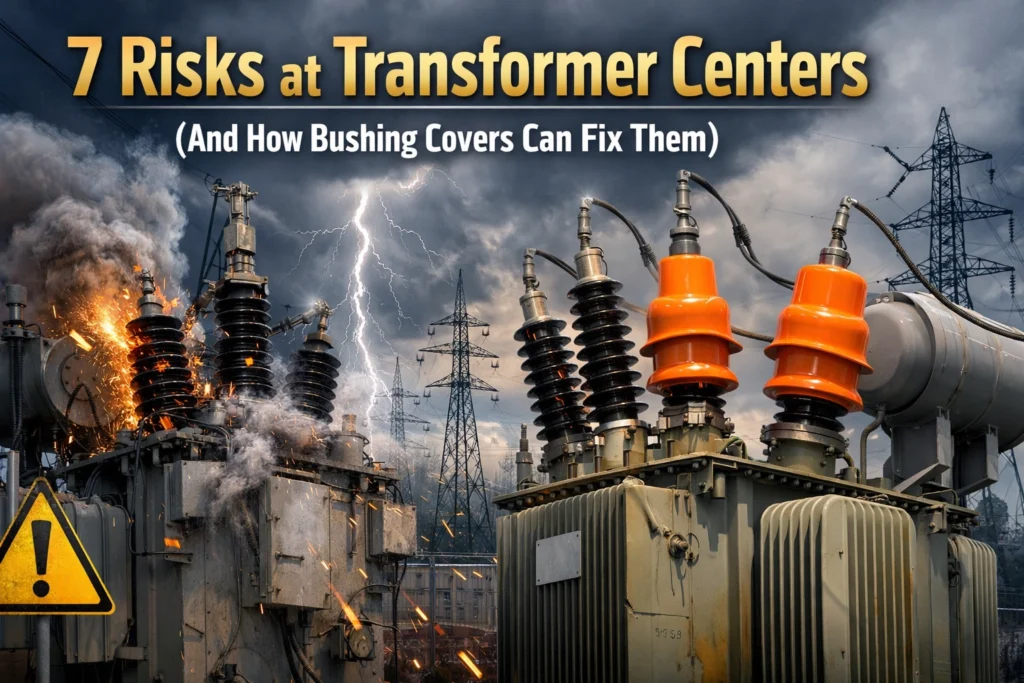
In the architecture of a modern power grid, the transformer center serves as the critical junction between high-voltage transmission and end-user consumption. However, these hubs remain one of the most physically vulnerable points in the entire distribution network. Despite advancements in smart grid monitoring and digital control, the "last mile" of hardware: specifically the exposed […]
Prepaid Smart Meters Vs. Traditional Billing: Why the Enclosure is the Real ROI Driver
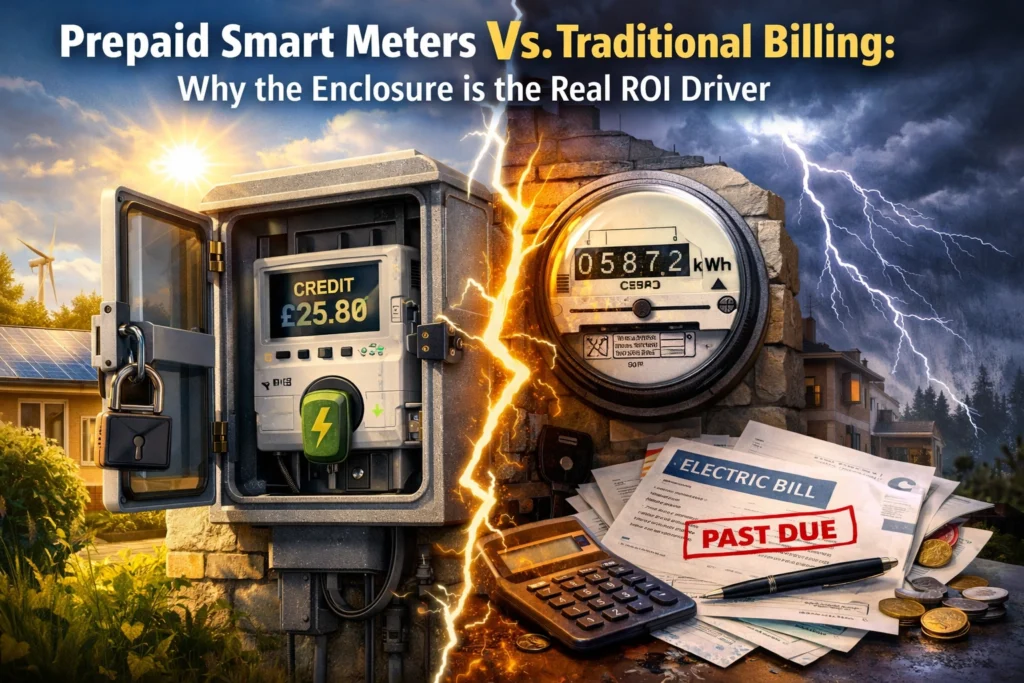
The Indian power sector is currently undergoing its most significant transformation since independence. Under the Revamped Distribution Sector Scheme (RDSS), the government has set an ambitious target to replace 250 million conventional meters with prepaid smart meters. The logic is sound: eliminate manual reading errors, ensure upfront payment for energy consumed, and drastically reduce Aggregate […]
Beyond the Meter: How PulseBox™ is Revolutionizing Smart Grid Intelligence at the LT Level

For decades, the global conversation around smart grid technology has centered on high-voltage transmission and the primary substation. We have digitized the "macro" view of the grid with SCADA systems and advanced protection relays. However, as power moves into the Low Tension (LT) distribution network: the final mile that connects the transformer to the consumer: […]
Stop Wasting Time on Temporary Fixes: Try These 3 Hacks to Protect Your Distribution Transformers

Distribution Transformer (DT) centers are the lifeblood of the power grid. They are the final stage of power delivery before electricity reaches the consumer. Yet, across the country, these critical assets are often the most neglected. Look at any average DT center, and you will likely see a patchwork of "temporary fixes": rusted metal fences, […]
RDSS Success: Why Smart Metering Enclosures are the Real Heroes of AT&C Loss Reduction

The Indian power sector is currently undergoing a radical transformation. With the rollout of the Revamped Distribution Sector Scheme (RDSS), the government has set an ambitious target: reducing Aggregate Technical and Commercial (AT&C) losses to a pan-India level of 12-15% by 2024-25. For decades, these losses: often hovering around 21% or higher: have bled the […]
The Durability Advantage: Why FRP Fencing is Replacing Conventional Solutions
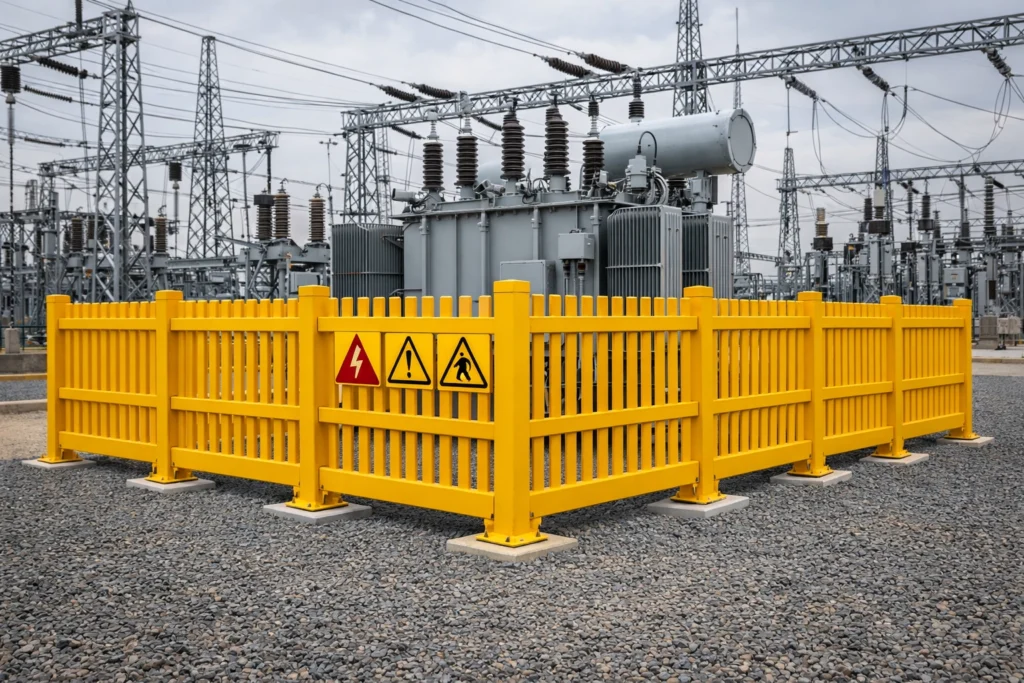
The Ground Reality: The Hidden Cost of Conventional Fencing In the expansion of India’s power grid, the perimeter of a substation is often treated as an afterthought: a simple boundary to keep intruders out. However, for DISCOMs and EPC contractors, the choice of fencing material is a critical decision that impacts electrical infrastructure safety, operational […]


